The Ins and Outs of Freeze Dried Food Part 1 – Calories and Protein
Freeze Dried Food is a BIG subject. There are so many different factors to take into account – nutritional value, cost, serving size, allergies, and more – that it can make even our veteran heads spin. Luckily, we have plenty of practice explaining the ins and outs of freeze dried food and we can help you make your food storage choices with confidence.
Critical Things to Look For
When preparing any kind of food storage, but especially when dealing with freeze dried food, there are two things to watch for above all else: Calories, and Protein. There are other factors that come into making an informed choice, but when it comes down to bare survival these are the biggest pieces of the puzzle.
We’ve all heard of calories, usually on ‘skinny’ food or the cover of a glossy magazine, but few of us ever think about getting more calories, instead trying to cut them left, right, and center. A calorie, at it’s most basic form, is food energy. It’s the unit of measurement for the get-up-and-go we get from our meals (or afternoon chocolate). It comes in three forms (fat, carbs, and protein) and all three are important.
With modern food production techniques people have no trouble finding enough (too many) carbohydrate and fat-based calories, but protein can be more difficult to come by. This is why protein is the second of our top priorities when looking into your food storage.
Our bodies don’t have a mechanism for storing protein and when we don’t have enough our bodies will actually break down existing muscle to make up for it. This leads to feeling tired easily, difficulty focusing, slower healing of injuries, increased risk of anemia, and other less pressing symptoms. Many people unknowingly suffer from minor protein deficiencies, but with poor food planning and a lack of access to alternatives things can escalate quickly. Even if people are still eating lots of carbs and fats we can only live for about 70 days without protein (and an unpleasant 70 days at that!)
How many calories? How much protein?
If you use a fitness tracker, or count your calories in an app, you’re a step ahead of the game and probably already have an idea of how much energy you use in a day. Remember that you’ll be under duress in an emergency and pack a few more calories than you would usually need. Even if you find you’re satisfied without the extra, you’ll wind up with a couple more days of food – or enough to share.
For the rest of us, the answer is… it varies. But good news! There are averages we can draw on!
For men, Total Prepare recommends planning around 2000 – 2600 calories per day. Women, we recommend between 1600-2100. Activity levels will be the biggest determining factor of how many calories you need, so keep in mind what labor you expect to be doing. For reference, a coma patient gets about 1100 calories to keep them alive, while a first responder will burn through 3600 calories with a hard day’s work.
Protein is a little trickier. The average adult requires 0.8 grams of protein for every kilogram of body weight. Here’s the math to see how many grams your one-of-a-kind body requires:
Weight in pounds / 2.2 = Weight in kg
Weight in kg x 0.8 = average daily protein requirements in grams
Once you know how much protein you need look out for the nutrition fact labels on your food for the amount in each serving. If you’re planning for a long period of time this can be tedious, so I recommend finding averages for different types of food to work with. Health Link BC has lots of great information on average protein amounts found in foods as well as tips to fill out your protein intake.
How can Total Prepare help me?
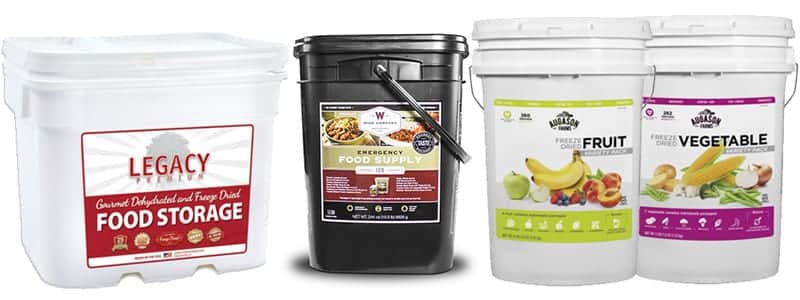
Our Freeze Dried meals from Wise, Legacy, and Augason Farms offer a great way to get your calories, and have some protein in to boot. Our highest protein options are detailed below and make great supplements to your emergency food planning.
For meat-eaters Total Prepare carries a selection of Freeze Dried Meats, which are the fastest and most efficient way to add lots of protein to your emergency diet. Each can has a 25 year shelf life and the ingredients are usually one or two familiar words (eg: Beef or Chicken). They taste good to boot!
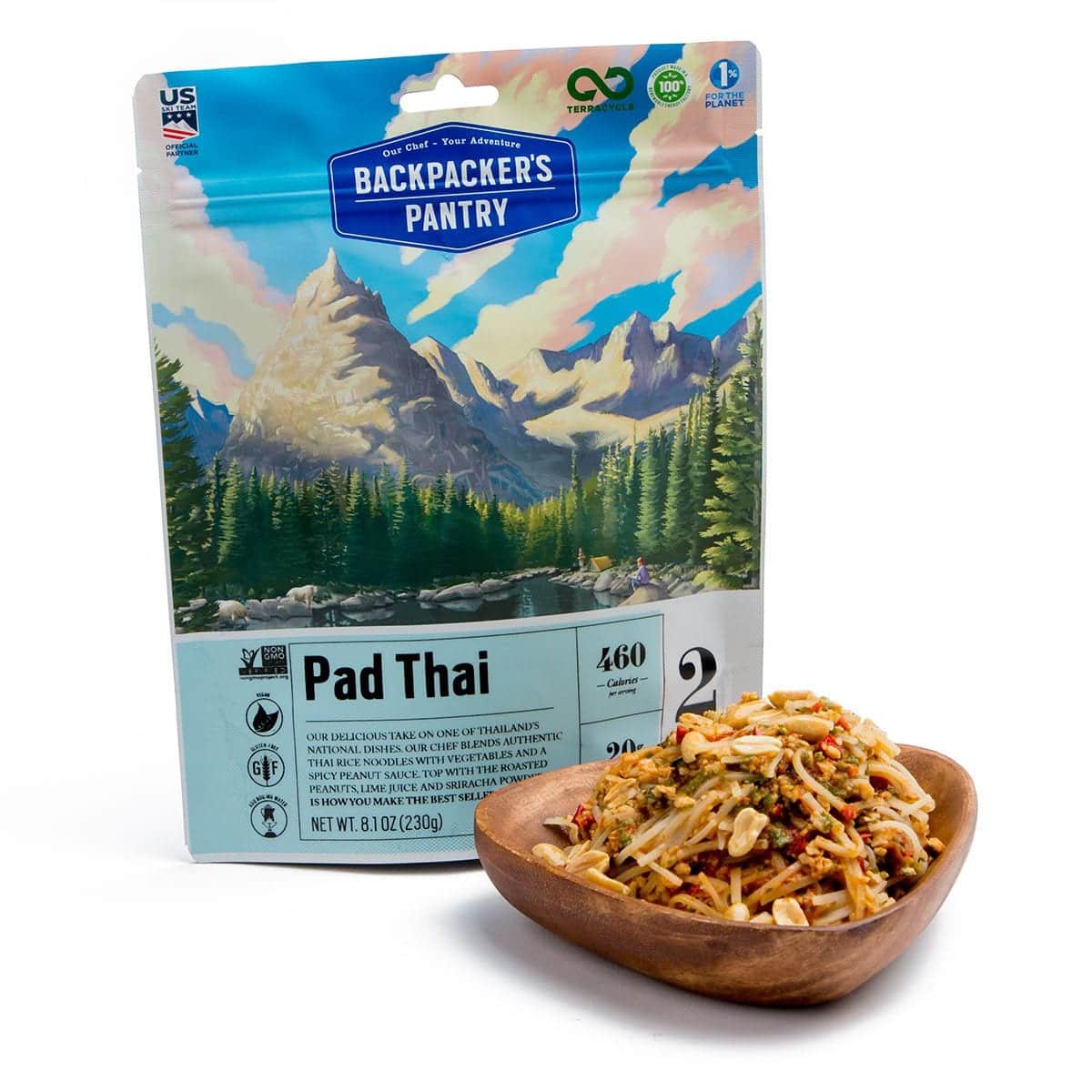
Our Backpackers Pantry line has several vegetarian, high protein options like Lasagna (19g), Mac & Cheese (20g), and Pad Thai (staff favourite and 20g of protein).
Thank you for reading and stay tuned for next week’s article detailing the differences in our Freeze Dried Food brands.
Article written by Zenia Platten – Writer and emergency preparedness professional.
5 Unusual Reasons to Prepare
Working in the emergency preparedness industry allows us to meet people and preppers from all over the country and all walks of life. We equip civilians, government, schools, hospitals, and corporations with supplies to take on a wide variety of potential threats. About once a month we get a call that surprises us and introduces us to yet another facet of the emergency preparedness world. Today I want to share my top 5 favourite unusual reasons to prepare. These are requests we’ve come across since Total Prepare opened its cyber-doors in 2011, and most have come up multiple times.
5. Protest
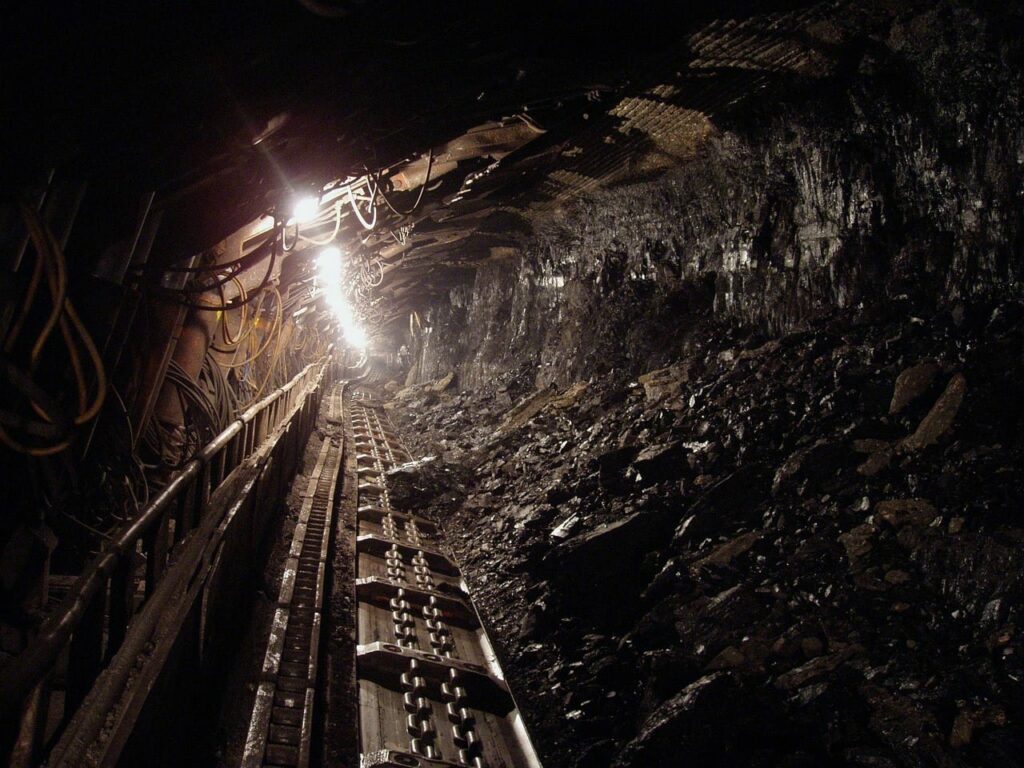
The Total Prepare office was sent into a frenzy earlier this year over an urgent phone call placed in desperate circumstances. A mining operation in our lovely eastern provinces was anticipating a protest group to take business-blocking action within the week. For most organizations that’s nail-biting news, but not life-threatening. For this remote mine, having their only road in or out blockaded meant not only a disruption to business, but a stop to supply trucks bringing in food for their workers.
To this day we don’t know the outcome of the protest, or if there even was one, but through the diligent efforts of our warehouse and purchasing teams we were able to get several pallets of Freeze Dried Food to their facilities while the roads were still accessible. Good news though! Even if there was no strike freeze dried food has a 20+ year shelf life, so they’ll be ready for future challenges. Take note business continuity planners!
4. Zombie Apocalypse
Okay, so no one’s ever been serious when they’ve talked to us about their Zombie survival plan, but the point is, they do talk about it! This is one of my favourite unusual preparedness scenarios, not for the situation itself, but because it gets people talking. Especially people who don’t have a plan for more conventional disasters. It’s like hiding a kid’s broccoli in with other food.
It’s actually amazing to me how thoroughly people can plan for zombies without owning a survival kit or knowing how to cope with emergencies that are likely to happen, but we all have our quirks. And hey! If zombies are what get people to prepare than it’s a great reason in my books!
3. Rapture
We all have our beliefs and for some the Rapture plays a major role. In some faiths it is required that all believers keep a 1+ year stockpile of preparedness supplies to be ready for a time of great struggle and upheaval that will come before, during, or after the Rapture (depending on the version).
Many of our favourite brands (Legacy, Wise, Augason) were actually created to streamline and ease these lengthy preparedness projects. The long shelf lives allow families to take a break from rotating ingredients and meals every year.
2. Planet X / The Nibiru Cataclysm
The Nibiru Cataclysm is, in theory, an impending world-ending scenario wherein a previously unknown planetary body comes disastrously close to earth. Nibiru (or planet X) is meant to either collide with earth, or come so close as to create untold destruction.
For it’s part, NASA acknowledges the possibility of new and exciting planetary bodies beyond Pluto, however they firmly deny that it would be on a collision course with our home sweet home. The physics just don’t support it.
So why does ‘Planet X’ make number two on this list? Because it’s a conspiracy, and I love me a good conspiracy! There are groups and individuals (I’ve had the pleasure of speaking with some) who are adamant that Nibiru is not only a threat, but one that is being hidden from the public. The thought gives me chills!
1. Unemployment
Bizarrely, it’s the mundane element of unemployment that makes it my favourite reason to prepare. It’s something that happens to everyone at some point or another, with varying degrees of severity and personal impact. For many, it’s a very intimate, individual catastrophe.
For those with no support network to fall back on, or no savings, or those who are worried about becoming a burden, preparing ahead for this eventuality makes perfect sense. Some extra food in case grocery bills get tight, a generator in case the Hydro bill can’t be made, or a stash of backpacking gear in case things go really sour. There’s plenty each of us can do while we’re ‘in the black’ to ease any financial stumbles yet to come.
Conclusion
Total Prepare is here to help you in your preparedness journey, no matter what you’re preparing for. Whatever the rhyme or reason for your emergency supplies give us a call or email us at hello@totalprepare.ca for advice, pricing, or to make a plan.
Got a great reason you’re preparing? Let us know in the comments!
-Article written by Zenia Platten – Writer and emergency preparedness professional.
The ABCs of EMPs
What is an EMP?
EMP stands for Electromagnetic Pulse. Simply put, it is an intense burst of electric and/or magnetic energy caused by the abrupt and rapid acceleration of charged particles (usually electrons). EMPs can cover huge swaths of the electromagnetic spectrum, from low-frequency radio waves to high frequency ultraviolet ones.
To put it in three words: radiating electrical burst.
What causes an EMP and what do they do?
The most common EMPs are small-scale and localized around lightening strikes. The pulse pushes extra electricity into nearby wires and can damage electronics connected to the source, blowing a fuse for example.
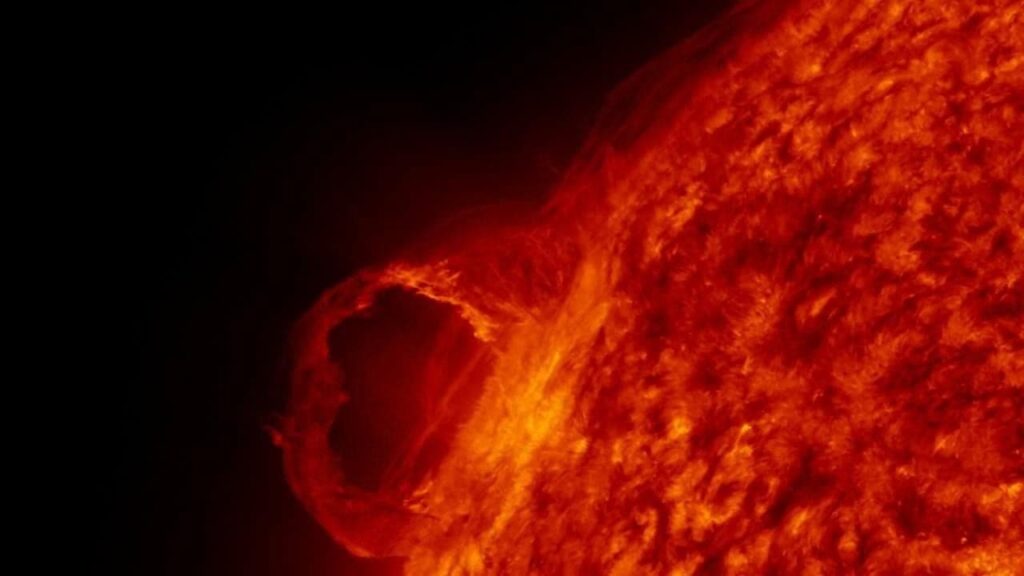
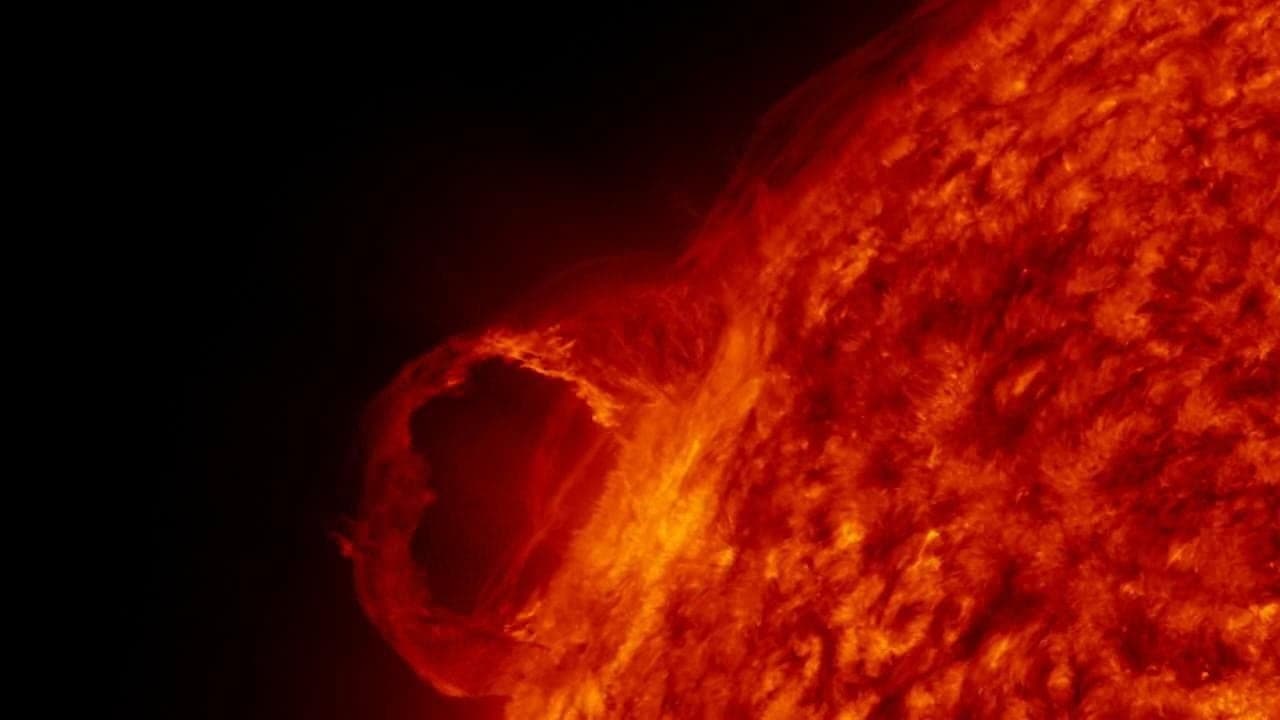
Large scale EMPs, the ones that are perhaps a little spookier, are caused by either solar weather, or nuclear/ballistic weapons. A solar storm actually knocked out power in most of Quebec back in 1989. The outage lasted for 9 hours and took less than a minute to trigger. That solar storm was small potatoes compared to what’s called the Carrington Event, the largest solar upset on record. This disturbed telegraph services worldwide in 1859.
Man-made, cataclysmic EMPs can be brought about without any direct physical harm to the victims, and is therefore feared by many first world governments as a potential form of passive-aggressive warfare. The aggressor launches a nuclear or ballistic missile to explode 40-400km above their victim’s territory, and the resulting gamma radiation interacts with our atmosphere to create an EMP on a disastrous scale.
Why are EMPs worth preparing for?
Who’s afraid of a little power outage, right? Well, this wouldn’t be so little.

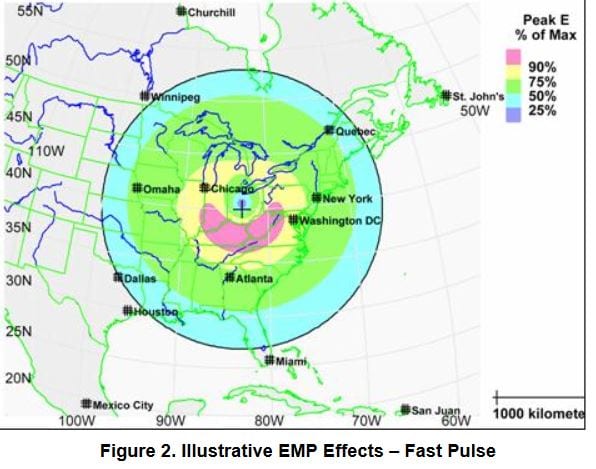
If a targeted EMP was launched at the USA its radius would encompass 70% of the country’s power load. (Sorry, couldn’t find a Canadian map – but here’s an apology to hold you over.)
Testing of EMPs in 1962 by the US and Russia found that a missile detonated over Johnston Island in the Pacific effected electrical systems all the way in Hawaii. 1,400 Kilometers away.
EMPs are also a little different from a normal power outage. An EMP has three phases, each disturbing or destroying more systems, cracking their way in waves through defenses that would protect from something more common, like a lightening strike. Because EMPs can (and will) damage a system, blowing fuses and frying circuits so they need to be fully replaced, turning it off and on again isn’t fixing this one.
Due to the scale of damage possible in a modern nuclear EMP, experts believe that it could take months or even years to fully recover all of our electrical infrastructure after a major EMP. This means a lot more than not being able to google a recipe or having to light a few candles.
Technology strengthens the first world in amazing ways, but it’s also our weak point. Can you imagine keeping food cool without electricity? Keeping the house warm for a whole winter? What if grandad’s pacemaker stopped working? Or little Sarah’s insulin pump? How would your business do without computers? Your government? Schools? Hospitals? Even our gas pumps are electric.
But don’t worry! It’s not all doom and gloom! Preparing for an EMP is actually pretty easy, and you’ll already have a lot of the basic items in your regular survival kit (isn’t it great when things are multipurpose?) Food, water, and all the other basics will be important in the event of a major EMP, but you can also find Faraday Cages, or make your own, to protect electronics.
Will an EMP damage unplugged/turned off devices?
According to The Modern Survival Blog, maybe. The main factors that will determine the survivability of a device will be the distance from the EMP (it loses force the further it travels) and whether or not the device had any protections (like a Faraday Cage). In general though, if it’s in range and electronic, it will most likely take at least some damage.
If EMPs are such a threat, why does no one talk about them?
I think Thomas C. Schelling put it best in the Stanford University Press as he wrote warnings regarding Pearl Harbour in 1962:
[We have] a tendency in our planning to confuse the unfamiliar with the improbable. The contingency we have not considered looks strange; what looks strange is therefore improbable; what seems improbable need not be considered seriously.
—Thomas C. Schelling, Stanford University Press, 1962, p. vii.
People reject new and unfamiliar ideas, especially when those ideas are threatening, expensive to protect against on a national scale, and (we hope) unlikely. I confess, I was actually a skeptic going into this article, but after finding several sources backed by scientific study and research, and knowledgeable professionals who have made EMPs their life’s work, I might be adding a few layers of Aluminum foil to my emergency flashlights and radios.
This article was written by Zenia Platten – Writer and Emergency Preparedness Professional.
Ask Santa for Emergency Preparedness
If you’re tired of being asked ‘what do you want for Christmas?’ from every angle you’re not alone. Especially if you don’t know the answer! It’s great that family and friends want to show you they care with gifts, but every now and again, for me at least, the endless question can feel like pestering.
Of course, it’s just as (if not more!) frustrating for them. You must want something they say, and they’re probably right, but that doesn’t mean you know what it is. I am pleased to announce that I have the answer to the plague of questions and indecision that can breed resentment and unneeded stress during this busy time of year… Ask for preparedness supplies!

Yes, I am a little (*a lot*) biased but hear me out! Preparedness supplies are useful, come in a variety of price points, and you won’t have to wear them once before thrifting them and hoping that you’re never asked about that heinous, itchy sweater ever again. They get to give potentially life-saving, interesting, unique presents, and you get to bulk up your kit in the blissful silence of an answered question.
And worry not! The gift of preparedness gives both ways. If you have someone on your list who is standing resolutely indecisive about what they want for the upcoming holidays, start a survival kit for them or add to their stash. I guarantee they won’t be expecting it.
Preparedness supplies do double time as backpacking/camping gear, they’re unusual, thoughtful, useful, and an important part of any household contingency plan. Give the perfect gift this year with amazing products like Grayl, Survival Kits, and Voyager Solar Radios. Or stuff stockings with awesome items like the 4-in-1 Emergency Tool, LifeStraw Personal, or a shiny new first aid kit!
Whether you agree that emergency preparedness is the ultimate holiday present, or if you’re looking elsewhere for Christmas gifts, Total Prepare hopes your winter season is happy, safe, and bright!
Written by Zenia Platten – Writer and Emergency Preparedness Professional
Contaminated Water Preparedness
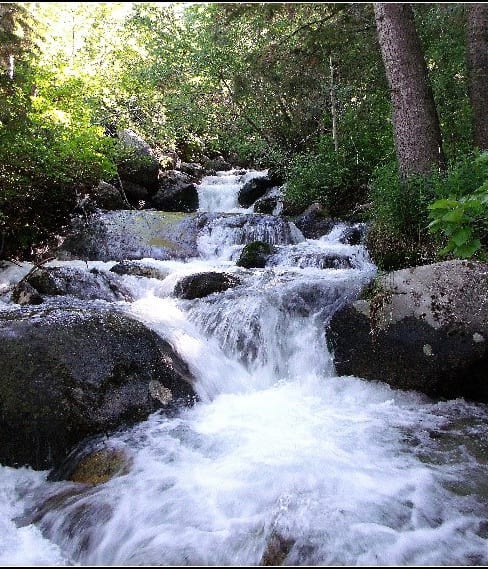
Water, water everywhere, there must be lots to drink! This is the attitude many Canadians take towards their emergency water preparations. We live in a country that is so abundant in fresh water that people learn to take it for granted. Fair enough, we do have a lot of it, but your neighborhood stream won’t be much help if the water in your taps runs dry. Contaminated water might even lurk in your private well during emergency situations.
Before we go further it is important I mention that drinking wild water (anything from a pond, river, lake, etc.) is not a guarantee that you will get sick. Before humans discovered purification techniques we drank plenty of it and the species has survived. That being said, diarrhea, vomiting, fainting, and possible death can really put a damper on one’s day. Personally, I’d rather not take the risk.
Why Store Water?
If something goes wrong with your tap water your local municipality most likely has ways to detect problems and warn the public. Boil Water Advisories are a common precaution taken by municipalities who are worried about the safety of their water. For the most part these work great (see ‘Boiling’ for exceptions) and between boiled and bottled water people get by just fine when their tap water is at risk. But what about in emergency situations?

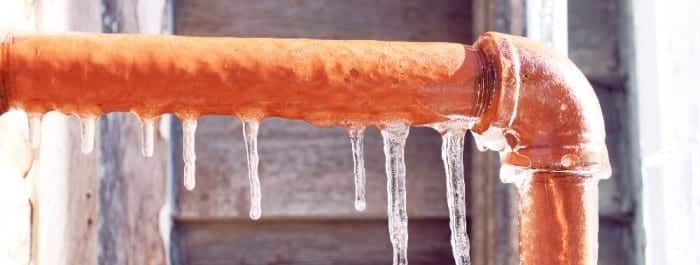
In an emergency many things can happen that could contaminate, or even eliminate, your water supply. Earthquakes and sudden cold snaps can burst or damage pipes, and crack well walls, allowing pathogens, sediment, and chemicals into your water. If local infrastructure is badly damaged, you might not have access to any water at all. When a wildfire strikes it can drastically effect water quality and availability. If local water providers don’t have a robust infrastructure and flexible procedures to keep water purification at optimum levels, then their customers will be the ones to pay.
You can greatly reduce damage to your private well by plugging or capping it if you foresee a risk. Similarly, there are many ways to prevent pipes from freezing in case of a cold-snap or a traditional Canadian winter. Insulating pipes, heating drain lines, and disconnecting your outdoor hoses are just some of the ways to protect your home. For more information on those and other options check out this WikiHow article.
If an earthquake strikes, and it’s safe to re-enter your home, be sure to turn off your water lines (and your gas lines if directed) to minimize any leaks caused by the quake. Thoroughly check your lines for damage before turning your utilities back on. If you are building your own home, be sure to look into earthquake-proof, flexible piping as a preparedness option.
Even taking these precautions can’t guarantee that your family will always have access to clean drinking water. Storing your own emergency water supply, or filtration/chemical systems, is the only way to ensure that you’ll always have life-giving H2O and avoid contaminated water.

Water Stores
Creating a comprehensive store of available drinking water is the best way to avoid contaminated water in any situation. With water storage options lasting up to fifty years it’s easier than ever to avoid dehydration (and crippling diseases) in an emergency.
Where?
First, think about where you will store your water. Keep your supplies in a cool, dark place and make sure the whole family is aware of its location. If you are concerned about the structural stability of your home and worry about a possible collapse in an earthquake scenario, consider keeping your water in an outdoor shed or close to an exterior wall for easy retrieval.
How Much?
Next you’ll need to figure out how much water to store. The Canadian government suggests at least four litres of water, per person, each day. This is to cover drinking, food preparation, dish washing and personal hygiene. For emergency stock, more is better but three days is the generally agreed-upon minimum. In short:
Number of People X 4 Litres X Number of Days = How many litres you’ll need to store.
So a four-person family looking to prepare for a week without water should have 4x4x7, or 112 litres.
Which Water?
When it comes time to obtain your water there are a lot of options. Many people buy bottled water from the supermarket, but if choosing this route be aware that the shelf life tends to be about six months. If you’re looking for a longer term option, a water that you don’t have to think about for a full FIFTY years is Blue Can Water. This handy water comes in convenient 355ml cans and can be bought in flats of 24 or by the pallet. Too much? SOS Water Pouches are a popular mid-point with a five-year shelf life and a middling price range.
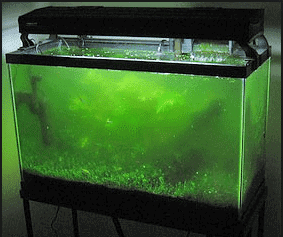
If you want to store your own water be sure to use food-grade, opaque BPA free plastic containers. Lesser plastics can leak nasty chemicals into your water, and translucent containers allow light in, feeding bacteria. If you’ve ever left an aquarium in sunlight, you’ll know that I’m serious on the light thing. Yuck.
If storing large quantities of water (for schools, businesses, or those who aren’t willing to give up baths in an emergency) consider a purpose-built container. If storing your own water remember to add a stabilizer (like Copper Silver Ion Formula) to keep water fresh for when you need it. For more purification options see the next section.
Making Wild Water Safe
Whether you’re choosing to drink from a local stream or making certain that your stored water is 100% drinkable, it is important to understand the steps to truly pure water. Never try to purify salt water or water with high concentrations of chemicals (e.g. pools and agricultural runoff) as most processes do not remove these contaminants. For the purest possible water, it is best to combine two or more of the below methods, however in most cases just one will suffice.
Boiling
It is a common misconception that boiling contaminated water will make it safe. To quote WebMD:
“It depends on the contaminant. Boiling water can kill germs, but things like lead, nitrates, and pesticides aren’t affected. And since boiling reduces the volume of water, it increases the concentration of those contaminants.”
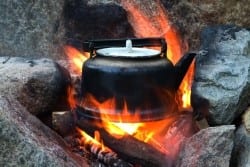
In other words, if harmful bacteria aren’t the only thing present in your water, boiling can compound other problems. It is best to use boiling in conjunction with Filtration, but it is still a potent tool in the purifiers arsenal.
No pathogens can survive temperatures above 85C for more than a few minutes. In the time it takes water to get from 85 to 100 degrees (boiling point) all the pathogens will be killed. When your water reaches a rolling boil it is free of pathogens. In an emergency, power-outages and damaged gas lines can make it tricky to boil water with the usual methods. If you’re like me and can’t start a fire to save your life, consider camp stoves for your survival kit.
Filtration
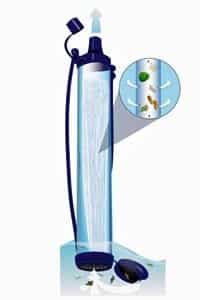
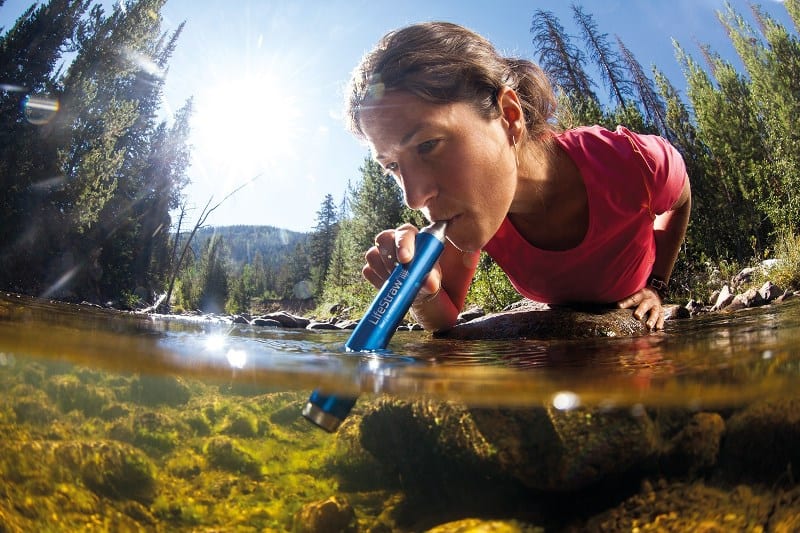
Filters force water through tiny pores to catch particulates and parasites. Used the world over by seasoned hikers and third-world communities, LifeStraw filters offer award-winning technology in a variety of packages. Some of LifeStraw’s innovative designs even filter out viruses, unlike most available filtration. This method also allows you to drink your water more quickly than boiling.
Filtration is said to be the best tasting purification method, as the water is as cool and fresh as its natural source. This makes filtration an ideal solution for family preparedness when dealing with picky eaters (and drinkers!)
If you find yourself stuck without preparations, you can also build your own filter out of natural materials. Be warned however that these are not recommended outside of times of extreme need as they do not make the water safe, only clearer and more palatable.
Disinfection
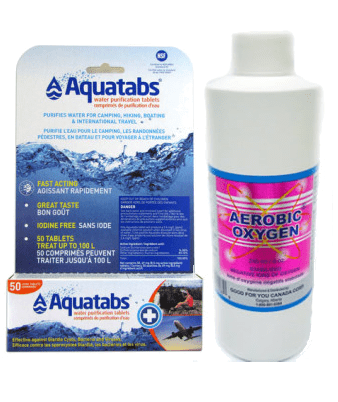
Chemical disinfectants can be used in conjunction with filtration to make almost all water drinkable. Even lesser filters (a coffee filter for example) can be used to remove particulates and the disinfectants will take care of the bacteria.
Chemical disinfectants come in different shapes and sizes. Aquatabs are a very portable option that is ideal for camping and hiking. In a pack of fifty, each small, safe, easy to use tablet will treat one litre of water. For larger quantities the extra strength tablets come in packs of thirty and each tablet treats 20L. Aquatabs are a great chlorine-based option that doesn’t leave nasty flavours or colours in your drinking water.
Unscented household bleach can also be used to chemically treat water. Do not use colour-safe bleaches, bleaches with added cleaners, or non-chlorine bleaches for water purification. Bleach kills some, but not all, germs that lurk in water. Because of this, if you are unsure about the quality of your water, even after it has been treated with bleach, do not drink it. To treat using bleach add two drops (0.1 mL) of bleach (for a 5.25% chlorine solution) to one litre of warm water. Stir the mixture and cover it, leaving it to stand for at least thirty minutes. If you do not smell a slight chlorine odour after thirty minutes add two more drops and wait fifteen more minutes. If you still don’t smell chlorine, dump it and find another water source.
A Word on Dehydration
On average, a human can go for three days without water. Ideally however, a person should consume two to three litres of water a day. When the body loses more fluid than it gains it becomes dehydrated.
Contaminated water can actually do more harm than good when it comes to hydration. Many water-borne diseases cause diarrhea, fevers, and vomiting, all three of which dry out the body and make it difficult to re-hydrate.
Symptoms
In order of increasing severity, the symptoms commonly associated with extreme thirst and dehydration are:

- Thirst (surprising right?)
- Reduced Sweating
- Decreased urine production
- Dry mouth
- Reduced skin elasticity
- Dizziness
- Confusion
- Low blood pressure
- Shock
- Damage to the internal organs
- Coma
- Death
If you experience these symptoms, and they persist after a long drink, contact your health professional or go to a hospital. If you experience the last two, get a friend to drive.
Thank you for reading this article and we hope you never have need of it.
Article Written by: Zenia Platten, employee and writer at Total Prepare
What do I need to know about Sheltering in Place?
Shelter in Place
Many people hear the word ‘emergency’ and immediately assume evacuation, but according to first responders and emergency preparedness specialists, sheltering in place is more common.
Unless instructed to do otherwise, or there is obvious threat to your property (an incoming fire or tsunami for example), then stay home! It’s where all your good stuff is.
Reception centers, roadways, and public meeting places are likely to be crowded with people who may be desperate. Supplies are usually very limited in these places so having your own stores in a familiar place will hugely impact your ability to ride out the disaster in relative comfort and safety.
For many emergencies and rural locations a minimum of 1 week of supplies is recommended for Sheltering in Place. Be prepared to camp out in your yard if the house is unstable/inaccessible. As one of my preparedness mentors used to say: “emergencies are like camping, but the camping came to you.”
What does “Shelter in Place” mean?
At its most basic, sheltering in place is exactly what it sounds like. You take shelter where you are, whether that’s your home, school, or office. Because Total Prepare is located in an earthquake zone, we most often use it to refer to backyard camping if your house is unstable, but shelter in place might look different for different emergencies:
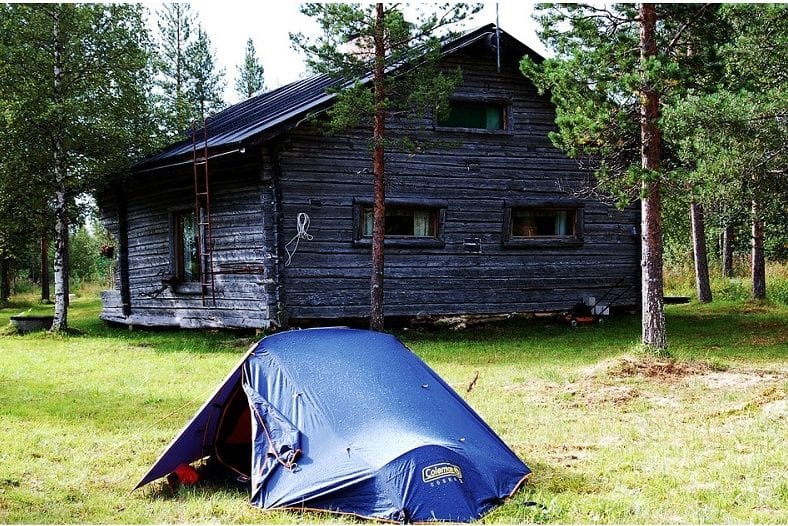
Earthquake- If your home is safe, stay indoors and tune in to the radio or news station. If your home has obvious damage or a cracked foundation, break out the tent and do some backyard camping until officials tell you it’s safe to return.
Weather- In extreme weather you may be instructed to shelter in place. This could be just staying off the roads, or it could mean taking shelter in your bathtub from a hurricane. Your emergency radio station or news channel should give you direction as to which.
Environmental dangers- In some cases shelter in place orders are given because there’s something contaminating the air outside. Wildfire smoke, nuclear emergencies, or other airborne contaminants could cause officials to give this kind of order. They’ll usually ask for all windows/doors to be closed, and furnaces, air conditioners, and exhaust systems to be turned off. If directed, cover doors, windows, and vents with plastic sheeting and duct tape and stay in interior rooms if possible.
I have a Bug Out Bag, do I need a Shelter in Place Kit?
Great question! Due to the nature of Shelter in Place kits, they are often not very portable. If an evacuation order is given, or you need to flee your home, it is best to have a kit designed for ‘grab and go’ at the ready. A good way to combine kits is to incorporate backpacks into your Shelter in Place kit. Include the first 72 hours of supplies for your Shelter in Place kit inside the backpacks so you can move quickly when needed.
Bug out bags and shelter in place kits serve very different functions, so it’s best to have both. You can never be too prepared!
Where should I store my Shelter in Place Kit?
This is one of the questions we receive most, and the answer is different for everyone. You want to keep your kit somewhere that is secure from pests but easy to access if you need it in a hurry. Popular choices include storing kits inside a vehicle or motor home, in a hall closet near the main exit, at the front of the garage, or in pest-proof containers in a shed. If you don’t have a good location to store your kit, don’t despair! In many emergency scenarios you will still have the time to grab it, or be able to get to it post-emergency with a little elbow grease.
I don’t have time to put a kit together.
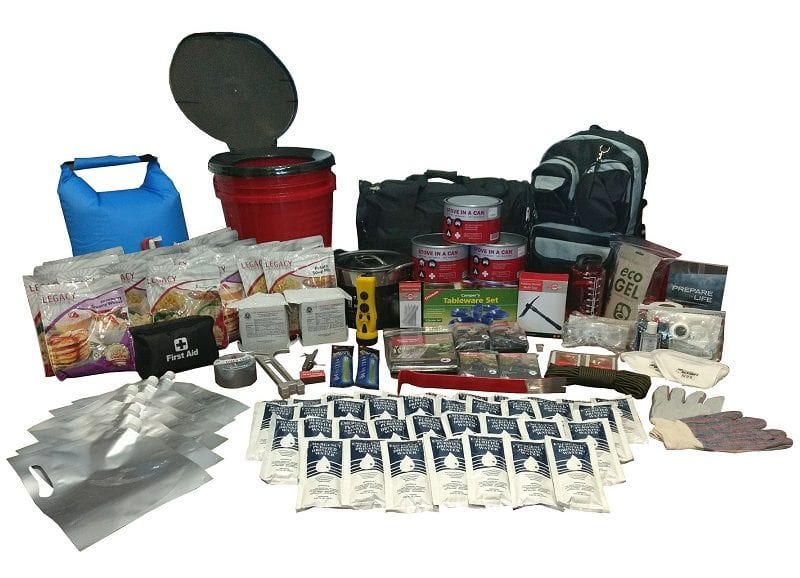
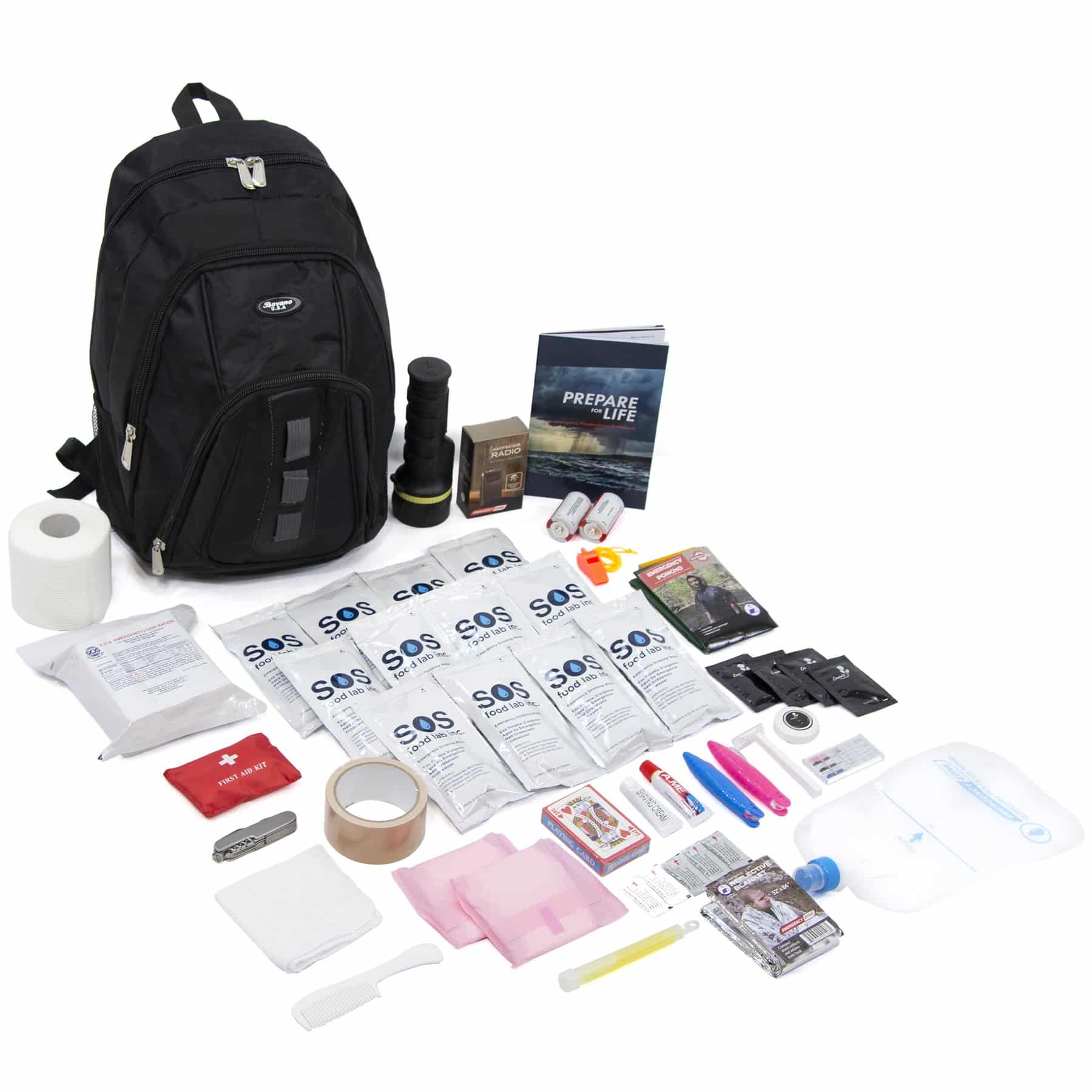
Gathering all the items for a kit can be daunting, so Total Prepare has done the work for you! Our one and two week kits contain items to cover all eight areas of preparedness. These kits are designed for 2 or 4 people, and plan for a minimum of 4 liters of water per person, per day.
These kits contain Legacy Freeze Dried Food; complete entrée and breakfast meals with a whopping 25 year shelf life! Portable toilet options cover the other end of the cycle, and blankets, ponchos, first aid supplies, and other items will take care of everything in between!
I want to build my own kit, what would you recommend?
Everyone’s kits will be different, tailored to fit your family, lifestyle, and needs. Below, we’ve compiled a list of what we would consider a very comprehensive Shelter in Place kit. Don’t be overwhelmed! These items are only suggestions, and are a good place to get inspired. Not every item will be right for every household, so use your best judgement to create a kit that’s best for you.
Not sure if an item will work for you, or wondering why you might need something? Just want a second opinion on your kit? No problem! Just phone or email our friendly staff and we’ll be happy to talk things over with you.
Suggested Shelter in Place Kit Contents
- Potable Water – 4 Litres per person per day.
- Store as much water as possible.
- If space is short, consider using purification and filtration options.
- Want to learn all about water in emergency situations? Check out our other post here!
- Food – Aim to store 2000 calories per person each day, with a bare minimum of 1200. Long shelf life options are ideal, but cans are great too. Just remember to check your kit every year to cycle through any expired goods.
- Cooking surface/stove and extra fuel. – Noncombustible options are preferable if storing for long periods, or in hot locations. Camp stoves, barbecues, or grills for a campfire are great.
- Cooking/serving equipment. – cutlery, ladle, flipper. Essentials not everyone thinks of.
- Fire Starter – At least two methods. Practice with them if the method is unfamiliar (eg flint and steel.)
- First Aid Kit – Match the skill level of the household. If you don’t know how to use a tourniquet, don’t pack one. (Here’s why.)
- Solar or Crank Emergency Radio – Write your local emergency stations on the unit.
- Solar or Crank Flashlights – Not a good time to be looking for spare batteries!
- Solar or Crank Lantern
- A corded land line or method of charging a cell phone.
- Sleeping Bag/blankets
- Insulation from Ground – Sleeping mat/emergency blanket
- Tent & Tarps
- Light Sticks
- Alcohol based hand sanitizer – doubles as a fire accelerant (careful!).
- Heavy duty garbage bags and shovel – good for when a toilet isn’t available.
- Outdoor lidded garbage cans – waterproof storage, ideal if an emergency happens when it’s raining.
- Paper towels / toilet paper
- Power Generator – Solar is ideal for preparedness
- Playing Cards / Versatile Games
- A Book or Magazine
- A USB stick with copies of important documents
- Mementos/Comfort Items – Use your ‘important documents’ USB stick for family photos too!
- Tool for turning off gas/water lines – Only turn off your gas if directed or you smell rotten eggs.
- Changes of clothes – pack for different types of weather
- Rain Gear – Even a lightweight plastic poncho makes a BIG difference.
- Duct Tape
- Knife – For cutting rope, shaving kindling, etc.
- Multi-tool/Army Knife
- Work Gloves
- N95 Masks
- Toilet Set / Folding Toilet
Assess your needs and ensure that you have at least one thing to cover each area of preparedness (below). Once that’s done you’ll have a great base kit to work from or add to over time using the above list for guidance. Want to learn more about survival kits in general? We’ve written about that here.
The 8 Areas of Preparedness are: Water, Food, Light, Communication, Shelter, Heat, First Aid, and Sanitation.
Thank you for reading! If this article helped you, or if you feel we missed something, let us know in the comments below!
Catch Us on CFAX?
Total Prepare is on the air! Alison Stewart, the manager of Total Prepare, gave an interview on CFAX radio about earthquake safety and supplies. Joining Alison on the air is Mike Ursel of Quake Safe to tell us all about securing our homes, businesses, and other buildings for a major seismic event. Click below to listen in!
Preparing for Wildfires Across B.C.
With the calamitous wildfires taking place in British Columbia, especially in the 100 Mile House, Ashcroft, and Cache Creek areas, it is more important than ever for Canadians to be prepared for evacuation. With longer, hotter summers making huge wildfires the new normal here are some things that you and your family can do to increase your wildfire preparedness.
Talk to Your Loved Ones
Communication is key when it comes to preparing for any emergency. Not very exciting, but bear with me. Discussing emergency plans, meeting places, contacts, and back up plans will help to psychologically brace everyone for the unthinkable. Making sure everyone is on the same page can minimize confusion during a disaster and make reuniting easier if you get separated. Write down your plan and make sure everyone has a copy for their backpack, purse, or wallet.
Prepare an Emergency Survival Kit
Imagine waking up to a hazy orange sky, oppressive and heavy. Opening your front door is like stepping into Mordor or Armageddon. Further up your block an RCMP officer is knocking on doors, working her way from house to house. She’s a few doors down, but you don’t need to hear her to understand her mission. The fire – the one that was so far away yesterday – has come to town. When your turn comes to speak with the officer, you discover the evacuation has been called, and you only have one hour. One hour to wake up the kids and get them ready, one hour to decide what is worth packing, and what to leave behind, one hour to find the cat, and one hour to say goodbye to your home – possibly for the last time.
It’s something that you hope you’ll never need to use, but an emergency survival kit saves valuable time in an emergency and allows you a foothold in the chaos. You can build your own kit or purchase a professionally compiled one pre-made, just remember, it should have supplies to last you for 72 hours to one week in an emergency. Keeping a kit near the door, or in the car, means that it will be at your fingertips when you need to evacuate fast.
Fortify Your Home
Your home is your biggest investment, and there are steps you can take to protect it if a local fire is coming too close for comfort. Airborne sparks and forest canopies are common ways for fire to travel so it is important to clean your roof and gutters regularly of any dry/flammable debris. Similarly, maintaining an area of at least 30 feet around your home that is free of easy kindling (woodpiles, dried leaves, and newspapers) will help delay (or stop) ground fires from reaching your door.
In case a fire does reach your home, make sure that any and all areas of your house can be reached by at least one of your garden hoses. If you are aware of a fire in the area, leave your radio/TV on to receive updates. Wildfires can travel up to 10.8 km/hr (22km/hr in grassland!) so stay aware of fire alerts in neighboring communities. Keeping your vehicle fueled, maintained, and stocked with emergency supplies will allow you a faster getaway if an evacuation is called.
Finally, check your insurance. If the worst happens you may not be able to save your home, but you can save your investment. Be familiar with your home insurance policy and keep your contents insurance up to date.
Preventing Wildfires
Just over half of all Canadian wildfires are started by humans, usually due to negligence. You can lower the risk of a wildfire in your area by educating yourself, your family, and your community about proper fire safety.
Backyard burning is one of the common starting points for wildfires and grass fires. If you or someone you know is planning on burning their yard waste, make sure they take precautions:
- Place a firebreak around your fire to stop grass fire from spreading.
- Keep enough people and water on hand to manage the fire (do NOT leave your fire unattended!)
- Do not burn during a fire ban.
- Do not burn on windy days (flying sparks can start wildfires.)
Many fires begin from a careless campfire. Keep the following in mind when preparing to roast those weenies this summer:
- Clear away all flammable debris from the fire perimeter.
- Build your campfire at least 3 meters from trees, bush, and buildings.
- Use a proper fire pit or build a ring of rocks to contain the flames.
- Extinguish your fire thoroughly when done. The ashes should be cold to the touch.
For additional tips on preventing forest/wildfires check out the government of B.C.’s article here.
How to Help Evacuees
Our hearts at Total Prepare go out to all of the families faced with evacuation and we are cheering for the courageous men and women risking their lives to fight down the wildfires in British Columbia. If you would like to help, the Canadian Red Cross is taking donations to support the firefighters and evacuees of British Columbia. According to the BC Fires Appeal, “your donation will help provide immediate relief such as cots, blankets, family reunification and financial assistance for food, clothing and personal needs. Beyond meeting immediate needs, your donation may also help re-entry and go towards more long-term recovery, resiliency and preparedness.” You can donate here.”
Thank you for reading and taking the steps to get prepared.
Guest Post – Seismic Upgrading
Wow time flies! It has been over a year and half since the last time we were invited to guest blog for Total Prepare and what a busy time it’s been!
Our business continues to grow by leaps and bounds. We have doubled in size since we last wrote here and expect to double again this year. This has been a very exciting time for us, but along with this success (and trust me: It feels great each time we make a home QuakeSafe!) it is also imperative that we don’t rest on our laurels. We always look for improvements to our techniques and we have recently implemented a best practices policy and a program of continuous improvement.
We’re doing our best to get the word out, Total Prepare Inc. is obviously doing a fabulous job in growing earthquake preparedness awareness, as are others, including Professor Yeats at Oregon State University. We’ve recently been in contact with Professor Emeritus Robert S. Yeats in the Geology and Geophysics department who has a new, soon to be published, book on Cascadia’s fault written for the general public. We are excited about this book release because we particularly liked one of his previous titles:
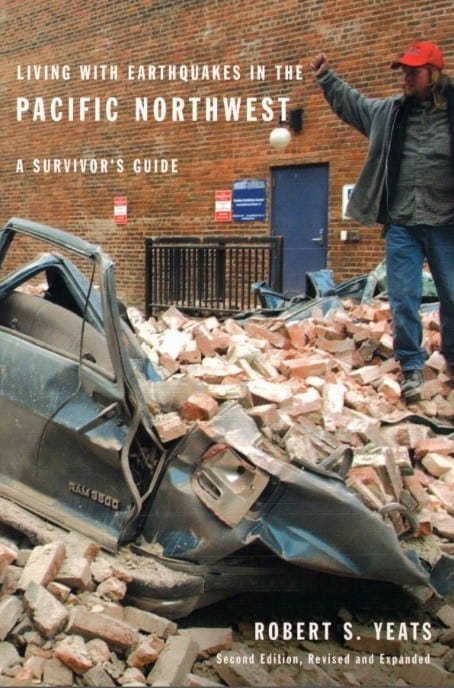
LIVING WITH EARTHQUAKES IN THE PACIFIC NORTHWEST
A Survivor’s guide
Which is now available online for free:
http://oregonstate.edu/instruct/oer/earthquake/index.html
Prof. Yeats is an expert on the geology of the Pacific Northwest. This book, though not new, is an easy read with plain language and a relaxed style. The whole book is informative and as relevant today as when it was first published, but we are particularly pleased with chapters 11 and 15. In chapter 11, Mr. Yeats uses plain language to explain seismic loads exerted on timber-framed houses, the importance of bolting houses to their foundations, and the function and significance of installing shear walls to pony (and cripple) walls. All the same things we’ve been ‘preaching’ for years! Whereas, in chapter 15, the author writes about earthquake kits, drinking water, practice drills and the like. All the things Total Prepare can help you with.
An ever-growing trend of awareness!
For more information on retrofits or to talk to us about your home and earthquake safety, please visit our website quakesafe.ca or visit our FB page. Our inspections are still FREE in greater Victoria and though a charge applies to other areas of the province, we credit this amount back to you if you decide to go ahead with the work.
Thanks for reading and thanks for your interest in earthquake safety!
Mike Ursel, P.Eng
President
QuakeSafe Retrofits Construction Corp.
Phone: 250-590-8544 | Fax: 250-479-4192
Take the Grayl Ultralite Anywhere!
At Total Prepare, we recognize that spending money on purchases that you’re going to stick in your closet until the next emergency can be a bit anticlimactic. When you buy something new, it’s fun to be able to use it!
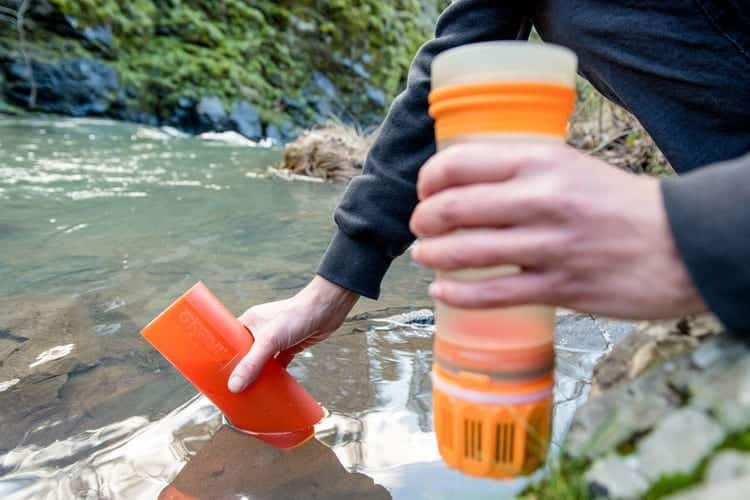
We’ve recently added the Grayl Ultralite Purifier & Filter to our stock of amazing emergency supply products, and this is one of those items that doesn’t need to be stored away until an emergency occurs.
Do you like to camp? Do you like to travel?
Well, if you’re an adventurer and you love exploring beautiful and exotic places where the water sources are a little less than desirable, a trusty water filter and purifier is just the tool for you.
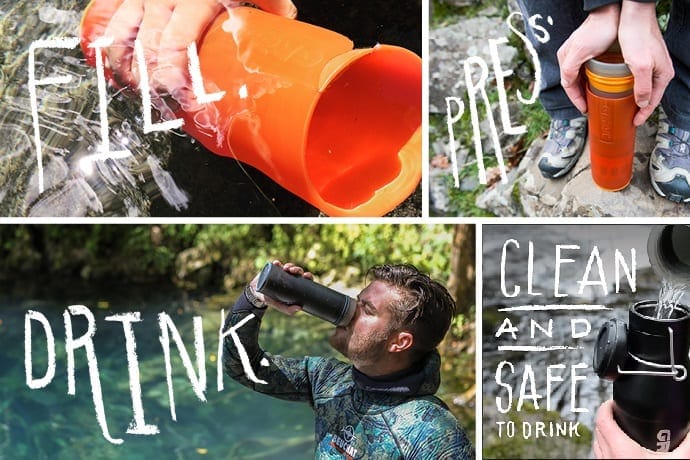
The Grayl Ultralite is ready for global travel and outdoor adventure and if you’ve “practiced” using it a bunch, you’ll be as ready-to-go as possible in the event of an emergency. The process is quick, taking only 15 seconds for a total 2 liters per minute. Simply fill, press down the filter and drink.
What does it remove?
- Removes pathogens.
- Removes 99.9999% of viruses (e.g. Hepatitis A, SARS, Rotavirus).
- Removes 99.9999% of disease-causing bacteria (e.g. E. coli, Salmonella).
- Removes 99.999% of protozoan cysts (e.g. Giardia).
What does it improve?
- Improves health.
- Improves flavor.
- Improves odor & clarity.
- Filters particulates (e.g. sediment, silt).
- Filters many chemicals (e.g. chlorine, benzene).
- Filters heavy metals (e.g. lead, arsenic).
Whatever you end up using your Grayl Ultralite for, you’ll be glad you’ve got it when you’re feeling refreshed, replenished and healthy in a situation that could be much, much less comfortable.
-Article contributed by Sophie Wooding – Avid gardener and cyclist in Victoria, BC and Content Writer for Frontier.io