72 hours on a clock

Is 72 Hours Enough?

When it comes to emergency preparedness, many people believe that having enough supplies for 72 hours is sufficient. This idea, known as the “72-hour rule,” originated during World War I when people were told to be self-sufficient for three days due to national defense priorities. In modern times, we see all the time that 72 hours is the amount of time it can take for first responders to be able to assist you during an emergency.

But how relevant is the ’72-hour rule’ today?

Outdated Thinking

Chris Collins, a professor of emergency management, points out: “We are still using a method of preparedness from war-times, but have advanced as a society in every other way. So, what’s wrong with this picture?”

New tools have been invented to help make emergency response safer and faster for both the rescuers and the rescuees, and systems like ICS have been developed to help organize large scale response. With newer methods in place, we should need to be self-sufficient for less time… right?

Not necessarily.  

Survey Says: We’re Not Ready

A 2010 survey by Public Safety Canada revealed some concerning statistics:

  • 72% of Canadians agreed that an emergency plan and kit are necessary.
  • 54% believed their area was unlikely to be affected by a disaster.
  • 44% thought the government would take care of them in a large-scale emergency.
  • 58% had never looked into what to do in case of an emergency.

These numbers show that many people are not prepared for emergencies, and the 72-hour rule might be part of the problem.

Changing Times, Changing Needs

Since 2010, Canada has seen significant changes in demographics, geography, and population. Natural disasters, construction, and inflation have also altered the landscape. Collins argues that a one-size-fits-all approach like the 72-hour rule cannot meet the diverse needs of different communities.

So, what can be done? The first step is to look at your specific community. No one can prepare a community better than its own members. Programs like FireSmart Canada and B.C. FireSmart are great examples of community-based initiatives. These programs help neighborhoods create tailored plans to reduce their vulnerability to disasters like wildfires.

Moving Beyond 72 Hours

While the 72-hour rule is easy to remember, it’s not enough. Many municipalities are changing the language of their recommendations to “a minimum of 72 hours” while others, like Sidney, B.C., recommend being prepared for seven days due to their more remote location. The key is to shift focus from a generalized approach to one that considers the unique needs of each community.

Some questions to consider when deciding how long to prepare for:

  • How remote am I? If one or two major roads/docks/tunnels were unusable, could emergency services still reach me?
  • Do I have any special needs? Is there anything I need outside the ordinary that first responders might not be able to provide quickly? Medications, food allergies, etc?
  • How vulnerable is the surrounding population? Will those nearby need to be prioritized before me in an emergency? This might add to response times.

Conclusion

72-hours is a great place to start, but don’t stop there. Work towards having as much self-sufficiency as you can. This ensures that no matter what happens, you’ll be able to take care of your household, even if help can’t arrive right away. It also reduces the load on emergency services so they can prioritize those in the most need. If you’re looking to start with a 72 hour emergency kit, you can find those here. If you have a kit but need additional supplies to extend it’s duration, we recommend beginning with freeze dried food.

Thanks for reading, and as always: be prepared, not scared!

Woman warming hands over fire

9 Survival Myths That Can Get You Killed

When it comes to survival, there’s a lot of information out there. Unfortunately, not all of it is accurate. In a life-or-death situation, following the wrong advice can have dangerous consequences. Here are some common survival myths that could get you killed if you follow them. Let’s debunk these myths and learn what to do instead!

Moss growing on tree

Myth #1: Moss Only Grows on the North Side of Trees


Many people believe that moss always grows on the north side of trees, but that’s not true. Moss can grow on all sides of a tree, depending on the environment. Factors like moisture, sunlight, and wind direction all affect where moss grows. Relying on this myth to navigate in the wilderness can easily get you lost. Instead, use a compass or learn to read the sun and stars for navigation.

Snake with fangs

Myth #2: Suck the Venom Out of a Snake Bite

We’ve all seen this in movies: someone gets bitten by a snake, and the hero sucks out the venom. However, this is both ineffective and dangerous. Sucking the venom doesn’t remove it and can even introduce more bacteria into the wound. The best thing to do if someone is bitten by a snake is to keep them calm, immobilize the area, and get them to a hospital as quickly as possible.


child eating snow

Myth #3: Eat Snow for Hydration

If you’re thirsty in a snowy environment, it might seem logical to eat snow to stay hydrated. However, eating snow can actually lower your body temperature, leading to hypothermia. Instead, melt the snow first and drink it as liquid water. If you can, warm the water to help maintain your body temperature.


hypothermia sleeping

Myth #4: Let a Hypothermia Victim Sleep

It’s natural to think that someone who is cold and tired should rest, but letting a hypothermia victim fall asleep can be very dangerous. Hypothermia slows down bodily functions, and falling asleep could lead to unconsciousness or death if their body temperature drops too low. Instead, keep them awake and gradually warm them up with dry clothes, blankets, and warm fluids.

rubbing hands for warmth

Myth #5: Rub Frostbitten Skin to Warm It Up

Rubbing frostbitten skin might sound like a good idea, but it can actually cause more damage. Frostbite occurs when skin and underlying tissues freeze, and rubbing the affected area can break the ice crystals in the tissue, causing more harm. Instead, warm the area gradually using warm (not hot) water or by covering it with a blanket. Never use direct heat like a fire or heating pad, as this can cause burns.

hypothermia victim

Myth #6: Don’t Feed a Hypothermia Victim

Some people believe that feeding a person suffering from hypothermia is dangerous, but that’s not true. A hypothermia victim’s body needs energy to produce heat, and food provides that energy. Warm, high-calorie foods like soup, hot chocolate, or energy bars can help the body generate heat. Make sure the person can swallow safely and avoid giving them caffeine or alcohol, which can worsen their condition.

fire in a cave

Myth #7: Build a Fire in a Cave to Stay Warm

While it might seem like a cozy idea to build a fire in a cave, it can actually be very dangerous. Caves can fill with smoke quickly, leading to suffocation. Additionally, the heat from a fire can cause rocks to crack and fall. If you need to make a fire for warmth, build it outside the cave entrance and make sure the smoke can escape safely.


squirrel eating peanut

Myth #8: You Can Eat Anything Animals Eat

While some animals can eat plants, berries, and mushrooms that are safe for them, that doesn’t mean they are safe for humans. Animals have different digestive systems and tolerances for certain toxins. For example, many birds eat berries that are poisonous to humans. Never assume something is safe to eat just because you see an animal eating it. Learn to identify edible plants in your region and always be cautious.

Woman warming hands over fire

Myth #9: You Can Rub Two Sticks Together to Make Fire

Yes, it is technically possible to start a fire by rubbing two sticks together, but it’s much harder than it looks. It requires the right materials, techniques, and a lot of practice. In a real survival situation, you’re better off having matches, a lighter, or a fire starter with you. Fire is essential for warmth, cooking, and signaling for help, so don’t rely on primitive methods unless you’re an expert.

Know the Facts, Stay Safe

Survival isn’t about heroics—it’s about making smart decisions. In a crisis, the last thing you want is to rely on myths that could lead to dangerous outcomes. Always educate yourself with reliable information, practice safe techniques, and prepare properly with adequate tools and a survival kit. When it comes to survival, knowledge is your most valuable tool.

bike in flood

Rainy Season Safety Tips

The rainy season can be refreshing, bringing life to nature and cooling down the air. But it also comes with its share of challenges and dangers. Flooding, slippery roads, and power outages are just a few of the risks that can catch you off guard. Here’s how you can stay safe and prepared during the rainy season.bike in flood

1. Stay Informed

Weather can change rapidly during the rainy season. Keep an eye on local weather reports and alerts. Having a weather app on your phone or a reliable radio can help you stay updated on any warnings or emergencies in your area.

2. Prepare Your Home

Make sure your home is ready for heavy rain:

  • Check your roof and gutters. Clear any debris that might block water flow. A small leak can turn into a big problem during a downpour.
  • Secure outdoor items. High winds can turn garden furniture and other outdoor items into dangerous projectiles.
  • Check for leaks. Inspect windows, doors, and walls for any leaks or cracks that could let water in. Seal them up before the rains start.

3. Drive Safely

Wet roads are slippery, and visibility can be reduced during heavy rain. Here’s how to stay safe on the road:

  • Slow down. It takes longer to stop on wet roads, so give yourself plenty of space between your car and the one in front.
  • Turn on your headlights. This makes your car more visible to others.
  • Avoid flooded roads. Just a few inches of water can cause you to lose control of your vehicle. If you can’t see the road, don’t drive through the water.

    flooded road

4. Avoid Flood-Prone Areas

Flooding is a common risk during the rainy season. Here’s how to avoid getting caught:

  • Know your area. If you live in a place prone to flooding, have a plan in place to move to higher ground if needed.
  • Never walk or drive through floodwaters. It’s hard to judge the depth and current, and it only takes a small amount of water to sweep you away.
  • Listen to local authorities. If evacuation orders are given, follow them immediately.

Looking for additional information on flood safety? Check out our video below:

5. Prepare an Emergency Kit

In case of power outages or if you need to leave your home quickly, have an emergency kit ready. Your kit should include:

  • Flashlights and extra batteries.
  • Non-perishable food and clean drinking water.
  • A first-aid kit and essential medications.
  • Warm clothing and blankets.
  • A battery-powered radio to stay informed.

Find professionally compiled 72 hour kits here. 🙂

6. Protect Your Health

The rainy season can also bring health risks like waterborne diseases. Here’s how to protect yourself:

  • Avoid contact with floodwater. It can be contaminated with sewage or chemicals.
  • Keep food and water clean. Make sure any water you drink is boiled or filtered if you’re not sure of its safety.
  • Stay dry and warm. Getting wet and cold can lead to hypothermia, even in mild temperatures.

7. Look Out for Landslides

In areas with hills or mountains, heavy rain can trigger landslides. If you live in such an area:

  • Be aware of any signs of land movement. Cracks in the ground or tilting trees can be early warnings.
  • Evacuate if necessary. Don’t wait for the landslide to start before moving to safety.

Conclusion

The rainy season doesn’t have to be dangerous if you’re prepared. By staying informed, taking precautions, and having an emergency plan in place, you can enjoy the rain while staying safe. Remember, it’s always better to be over-prepared than caught off guard. Stay safe and dry this rainy season!

Fire Fighters fighting a forest fire

The History of ICS

The Incident Command System (ICS) is a standardized approach to the management of emergency response personnel and resources during an event. It introduces a command structure and approaches for coordination between multiple agencies. As many larger emergencies require cooperation from different organizations, having a system in place to keep everyone working effectively together is key to success.

ICS is now the standard in the United States, but it wasn’t always that way.

The Need for Order

The fire season of 1970 in Southern California was disastrous. Columns of smoke reached into the sky while fire trucks and personnel passed eachother enroute to different incidents – heading in opposite directions rather than fighting the fires closest to them. Command posts and fire camps were established by multiple organizations for the same incident, leading to confusion and resource availability was critically low.

In just under two weeks, these fires caused 16 deaths, 700+ destroyed structures, and over $234 million in damages.

Fire Fighters fighting a forest fire

The Start of ICS & MACS

Looking back at the terrible season, the US Forest Service and their partner response agencies in Southern California took stock of their efforts. They identified two main issues with response efforts:

  • At the site of the fires, different terminology, position structure, and procedures caused confusion between different groups.
  • At a higher level, agencies lacked good ways to handle resources. They had difficulties prioritizing which events resources should be funneled to remain efficient.

The US Congress budgetted $900,000 ($7.2 million in 2024 money) and tasked the US Forest Service to create a system to improve responses to wildfires. The system would need to help multiple agencies across different jurisdictions to work together as efficiently as possible. At this point, the program was aimed at higher level response and coordination – but by 1972 adding a system at the ‘feild level’ became part of the initiative.

The group in charge of creating these systems was called FIRESCOPE (Firefighting Resources of Southern California Organized for Potential Emergencies). They took the ICS concept that had first proposed at a meeting of Fire Chiefs in Southern California in 1968 and refined it. The system pulled on a wide variety of expertise from World War II veterans with military command and control experiences. The original system was specifically adapted to wildalnd fire management and was capable of expanding to include multiple agencies. The main improvement needed was to add a strong central coordinating mechanism.

This resulted in two independant by interrelated systems being developed: ICS and MACS

ICS & MACS (What’s the difference?)

MACS (Multi-Agency Coordination System) and ICS (Incident Command System) are both key components of emergency management and response frameworks, but they serve different purposes and operate at different levels within the emergency response hierarchy.

Incident Command System (ICS)ICS Canada Vest Set with Reflective Printed Titles

Purpose:

  • ICS is a standardized, on-scene, all-hazard incident management concept.
  • It is designed to enable effective and efficient incident management by integrating facilities, equipment, personnel, procedures, and communications within a common organizational structure.
  • ICS is used for managing response operations at the tactical level for incidents of any size, ranging from a small local incident to a large, complex disaster.

Key Features:

  • Single Command Structure: ICS provides a clear chain of command with defined roles and responsibilities.
  • Scalability: ICS can expand or contract depending on the size and complexity of the incident.
  • Flexibility: It can be used for any type of incident, including natural disasters, pandemics, or large-scale events.
  • Unified Command: In situations involving multiple agencies or jurisdictions, ICS allows for a unified command structure, where leaders from different agencies share command responsibilities.

Multi-Agency Coordination System (MACS)

Purpose:

  • MACS is a broader framework that coordinates resources, information, and policies across multiple organizations and agencies involved in large-scale incident response.
  • It operates above the field-level operations managed by ICS and is typically activated when an incident requires resources or support beyond what a single agency or jurisdiction can provide.

Key Features:

  • Coordination Across Multiple Agencies: MACS involves collaboration among various agencies and organizations to prioritize resources, make joint decisions, and support incident management at a higher level.
  • Policy and Strategy Level Decisions: MACS provides policy direction and strategic support to incident commanders and coordinates the overall response effort.
  • Resource Management: It focuses on allocating resources, managing communication across agencies, and ensuring that response efforts are consistent with established policies and procedures.

Key Differences

  • Level of Operation: ICS operates at the tactical level on the ground, managing specific incident response activities. MACS functions at a strategic level, coordinating the overall response effort across multiple agencies or jurisdictions.
  • Scope: ICS is focused on the direct management of incident response. MACS is concerned with the broader coordination and support necessary for large-scale or complex incidents that require the involvement of multiple organizations.
  • Role: ICS implements the direct response to an incident, while MACS supports ICS by providing resources, establishing priorities, and ensuring interagency coordination.

In summary, ICS is the system used to manage incident response on the ground, while MACS provides the strategic coordination and resource management necessary to support that response, especially in multi-agency or multi-jurisdictional incidents.

Refinement and Adoption

The ICS system was developed and spread much faster than MACS. Its popularity grew to the national level for fire response during the 1980s, being acknowledged by FEMA and included in the curriculum at the National Fire Academy. Non-fire agencies began to adopt ICS including California law enforcement and it was incorporated into FEMA’s new National Urban Search and Rescue System.

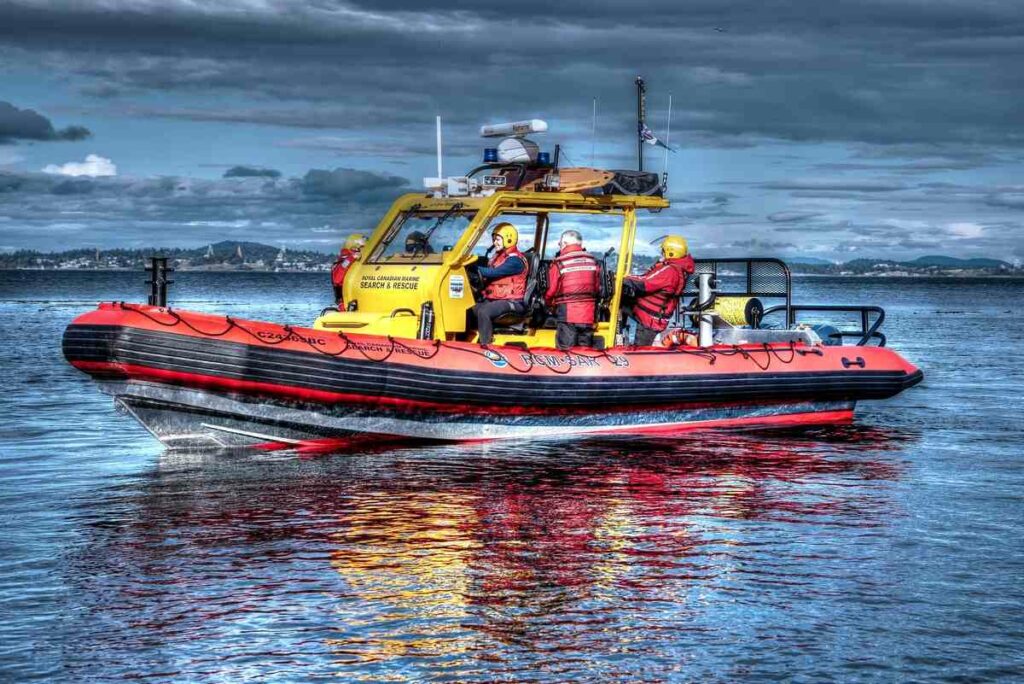
RCMSAR at sea

One of the first, and most influencial, national organizations to adopt ICS for non-fire incidents was the US Coast Guard. In the 1990’s, the US Coast Guard struggled with managing large scale response operations that involved many different agencies. In March 1989, following the Exxon Valdez oil spill, the Coast Guard examped how it could better integrate its efforts into those of the state and local governments. Their recent incidents had a lot in common with the issues encountered during the fire season of 1970.

Coast Guard officers saw the importance of learning about ICS and attended training through the wildfire community. In the early 1990’s members of the Coast Guard began using the ICS system, and it quickly spread in popularity until a Commandant instruction directed ICS to be used for all oil and hazardous materials response operations in 1996. In 1998, a second instruction required ICS use for all incident response.

ICS Goes National

The September 11th terrorist attacks underscored the importance of a unified national approach to incident management. In response to the lessons learned from that day, President Bush issued HSPD-5, which called for the creation of a single, nationwide incident management system. After thoroughly evaluating existing command and control structures, ICS (Incident Command System) and MACS (Multi-Agency Coordination System) were established as key components of the National Incident Management System (NIMS) in 2004. These systems, having already proven effective for managing not only wildland fires but also all-risk, all-hazard incidents, were adopted as the national standard. The official rollout of NIMS, including ICS and MACS, began in 2005, with federal emergency preparedness grants tied to various NIMS implementation benchmarks.

ICS in Canada

In Canada, ICS was first widely adopted by the Province of British Columbia in the mid-1990s. By 2002, the Canadian Interagency Forest Fire Centre (CIFFC) introduce


d the CIFFC ICS Canadian Version doctrine, along with comprehensive training materials for the wildland fire community nationwide, fulfilling its mandate to its provincial, territorial, and federal members. This model was soon adopted by various non-wildland fire organizations, and over time, the use of ICS expanded significantly.

In 2009, as CIFFC prepared to update the Canadian wildland fire ICS curriculum, the Alberta Emergency Management Agency (AEMA) was also assessing the need for a unified all-hazard command and control system to meet their long-term provincial emergency management needs. At the same time, CIFFC, sponsored by Parks Canada, applied for a New Initiatives Fund contribution agreement to develop a complete ICS training program for all Ground Search and Rescue operations within Canada.

These combined efforts led to the creation of ICS Canada, which now includes a number of member agencies.

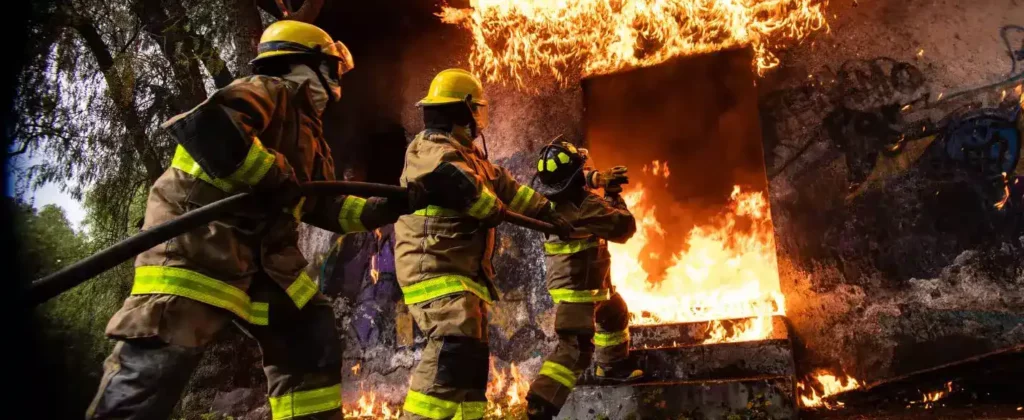
Three fire fighters carrying a hose to the mouth of a burning building.

4 True Fire Stories

Fire is one of the most devastating natural forces on earth. It can destroy structures, property, and lives in a matter of minutes, and can consume entire neighbourhoods in a night.  

We’ve talked about fire safety before on this blog, so today, we’ll be doing something a little different. In this post, we’ll be exploring 4 stories of survivors.  

Fido’s Fire 

If you have owned a dog, you have likely come home to a chewed slipper or other “toy” that your pet has found to entertain themselves with. For one Tulsa, OK family, this minor inconvenience of pet ownership turned into a nightmare when their dog decided to chow down on a portable power bank. 

Power banks house lithium batteries that cram a lot of energy into a small space. When the battery is damaged, it can release the stored energy uncontrollably, sparking fire.  

The Tulsa pooch found this out the hard way when his entertainment for the afternoon began sparking, immediately setting fire to the dog’s bed. The household’s two dogs and singular cat observe the growing fire as it spreads to the living room sofa before evacuating through a dog door. The entire event is caught on camera.  

While the home was damaged, all pets were able to escape unharmed and no family was home for the fire. 

Mother Saves Son from Blaze 

In November of 1994, Hollye Dexter, her husband, and their two children suffered the loss of their home and all its contents when the house went up in flames.  

Hollye had been on edge all day, sensing something amiss but unable to put her finger on the cause. After rising from sleep several times during the night to check the home and ensure her son was okay (the daughter was staying in another part of town that night), she was jolted awake by her husband’s shouts of alarm. 

Her account of the events that followed is chilling and well worth the read, but here is an abridged version. 

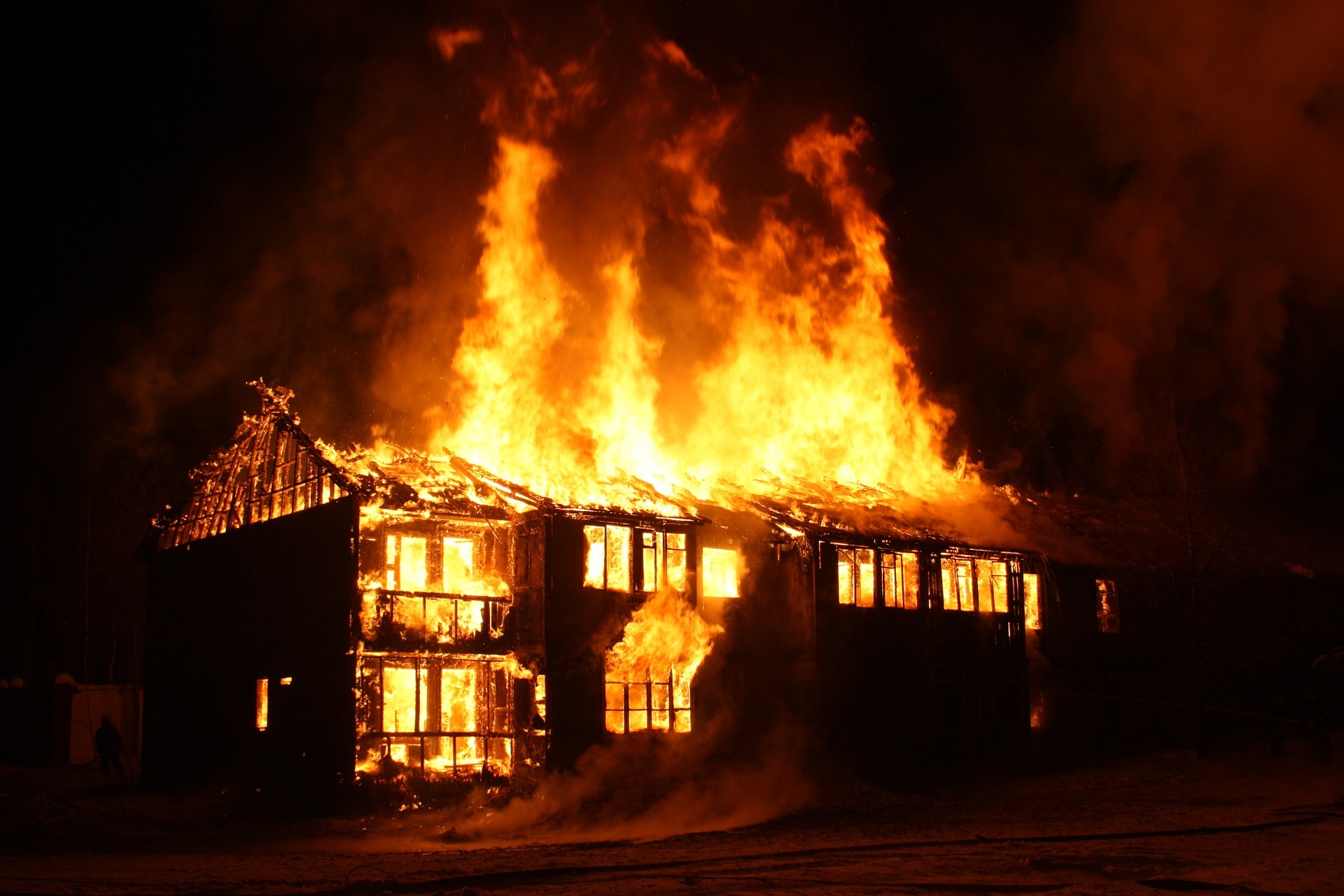
House fire at night

Hollye made her way through the thick, stinking smoke and flames to her son’s room, bundling him up and throwing open the window. Dangling her young son by his hands, she tried to get him away from the smoke and into fresher air. She heard her husband call out that he would be there in a moment – he was going to jump – before listening to the sound of bone on concrete. 

As the back of her calves began to blister and the heat grew unbearable, she realized she would need to drop her son, or risk them both dying in the flames. A moment later, her husband was below them, waiting to catch the young boy.  

After dropping her son into her husband’s waiting arms, it was Hollye’s turn to jump. She registered the impact distantly, as if it happened to someone else, before being pulled to her feet. The family ran to safety to watch as their three story home was engulfed. 

Recovery is a part of emergency preparedness that doesn’t get discussed as much as survival, but it is just as critical. Hollye recounts the aftermath of the fire: the overwhelming support, the helpful (and sometimes odd) donations, and the Red Cross representative that helped them to orient and begin rebuilding their lives. Without any ID, documents, clothes, or keepsakes, Hollye and her family take on the task of returning to normalcy. 

Hollye’s full story can be found in her memoir, Fire Season.  

Fire Spreads to 2 Homes – Family escapes in the nick of time 

When a fire started in their garage overnight, Jodi Deikel, her daughter, and her two grandchildren had to get out fast.  

“[I] threw my 5-year-old granddaughter out the window, threw my dog out the window and then I jumped out the window,” said Deikel. 

Fire Fighter Fighting Fire

Meanwhile Deikal’s daughter scooped up the remaining grandchild and fled the house on foot.  

Deikal was the only person injured. She had severe burns on her legs that required a stay in the hospital’s intensive care unit for two and a half weeks. She was touched by the outpouring from the community as family and neighbours gathered around them.  

An online fundraiser raised $10,000 for the family to help them rebuild.  

First Home in Flames 

Having to face a fire at any age, and in any home, is terrifying, but imagine if it was your first home at 19. That’s what happened to Allison Ramirez in her third story apartment one fateful September night.  

Having been living without her parents for less than a year, Allison was laying in her bed one night, struggling to fall asleep when she smelled smoke. Allison’s roommate was styling her hair in the bathroom, and Allison rose to ensure that the hairdryer wasn’t the source of the smell. After a few moments, the building’s fire alarm sounded. 

Three fire fighters carrying a hose to the mouth of a burning building.

Unsure what to do, the pair leashed Allison’s dog and decided to head to the street to find out what was going on.  

“I didn’t think the situation was life-threatening at all. You never really do, until after you’ve lived through it. Little did I know that what we were about to experience would impact my life from that moment forward.” – Allison Ramirez 

As they ran down the fire escape in flip flops and too long pajama pants, Allison realized that she couldn’t even see her feet for the smoke. Arriving outside, she stood with other neighbours watching the firefighters work. They gossiped about who could have started the fire and what the results would be.  

It wasn’t until she saw flames pouring from her own bedroom window that she realized how serious the situation truly was. Thankfully, no lives were lost in the fire, though Allison did lose most of her worldly possessions.  

“I had nightmares in the beginning — and I still do, occasionally — about what could’ve happened to me had I not woken up.” 

Stories of Resilience 

These stories remind us of the strength and resilience of the human spirit in the face of unimaginable challenges. They also highlight the importance of community, preparedness, and the will to rebuild and recover. 


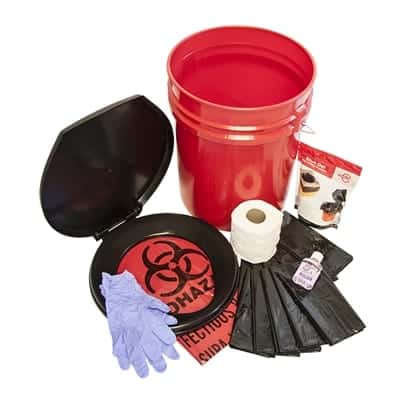
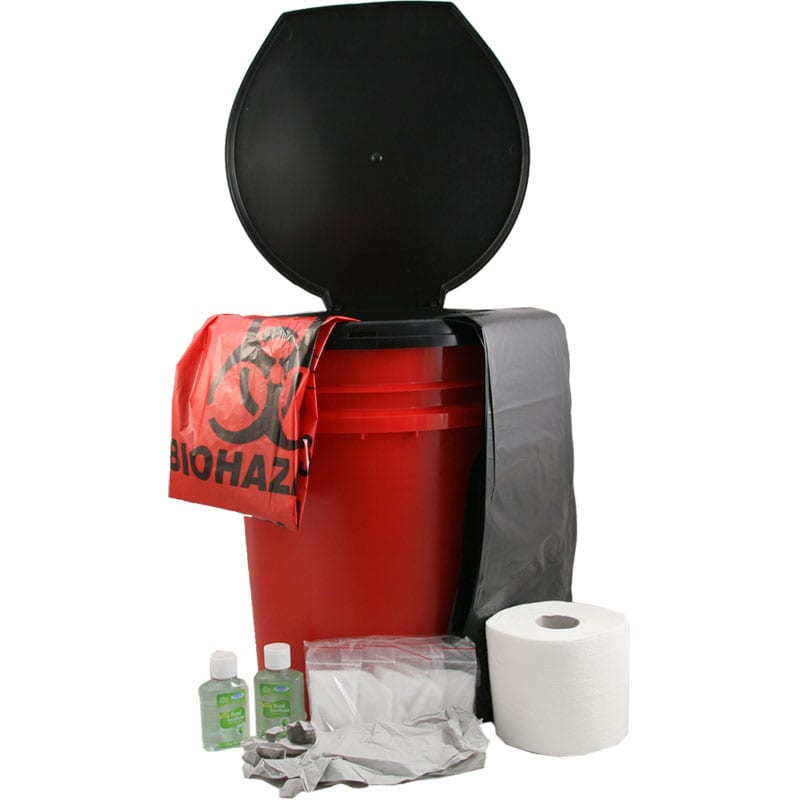
Portable toilet set

Portable Toilets

back-country sanitation/emergency toilet set for an emergency kitEven a single gram of human feces can carry parasites, bacteria, and viruses, so it is critical to manage human waste properly in an emergency to avoid the spread of disease and infection.  Sanitation is an often overlooked area of emergency preparedness but perhaps one of the most critical for community health and safety.

A very common way of managing waste in an emergency is with a portable toilet option. These options include everything from a shovel and some garbage bags, to simple bucket toilet kits, to full blown porta potties.

In this post, we will focus on bucket toilet kits and fold-to-go toilets as we find it is the most common solution that is economic and user friendly.

How do you dispose of waste from a portable toilet?

To avoid the spread of germs it is important to dispose of human waste properly. It should not be disposed of with regular trash. The simplest approach is to store used waste bags downwind of your campsite or shelter in a location clearly marked to avoid confusion. After the emergency is over, contact your local waste management organization to coordinate a pickup for this kind of waste.

Best practice for bucket kits is to have 2 toilet solutions going at the same time: one for solid waste, and the other for liquid waste. Solid waste contains the majority of harmful bacteria, viruses, and parasites so it must always be dealt with very carefully. Liquid waste, however, can be diluted with water and poured on green spaces or down storm drains in an emergency.

The two-bucket system helps reduce the load on emergency waste management systems after the disaster is complete.

Creature Comforts in the form of a folding toilet!How many portable toilets do I need? How many bags?

As mentioned above, a two bucket toilet system is best practice. One bucket is used for liquid waste and one for solid waste as both can be disposed of differently.

If that is not an option, one bucket will do just fine. On average, changing your bucket liner once per day works well for a lot of people so you will want at least one bucket liner for every day you are prepared.  Total Prepare sanitation packs come with 10 bucket liners and 10 sachets of toilet treatment chemical among other portable toilet accessories.

How do you empty a portable toilet?

When using a portable toilet ensure you use enough toilet chemicals, cat litter, sawdust, or other absorbent material to appropriately absorb your liquid waste. This will make for a cleaner emptying process.

There is no hard and fast rule on when to empty a portable toilet. This will depend on how many people are using the toilet and how quickly it is filling. Keep in mind that liquids are heavy and you will have to lift the contents to dispose of it.  many people find emptying once per day is adequate though you should adjust to your personal tolerance.

When you decide to empty your toilet, remove the garbage bag or bucket liner from the toilet itself. Securely knot the bag closed and dispose of the waste in accordance with your local bylaws.

How does a portable toilet work?

A portable emergency toilet is very easy to use. In most cases there will be a bucket or other receptacle for the waste to be deposited in, a seat and lid for comfort, and a bag or liner for sanitation.

Follow instructions to place the liner appropriately. In most cases, pinning it between the bucket and toilet seat works well. Lower the toilet seat and use as you would a standard toilet.

Once your business is complete, deposit a small amount of toilet chemical into the bag and, if directed by the toilet chemical instructions, tilt your bucket to mix chemicals and liquid waste.  Lower the toilet lid and you are done. Don’t forget to wash and sanitize your hands!

How to clean a portable camping toilet?Camping Scene

Whenever possible you want to line your toilet bucket with a sturdy garbage bag or purpose built toilet liner. These liners can be removed and replaced easily without needing to clean the entire unit.

In situations where this is not an option, you can wipe the toilet seat and the outside of the bucket down with sterile cleaners like you would a normal toilet.

If you need to clean the inside of a used toilet bucket, begin by emptying it of any remaining contents. Next use disposable cleaning cloths like paper towel or toilet paper to wipe the interior clean.  Dispose of these used wipes with your human waste. Sanitize the inside of the bucket with the same materials that you were using to clean the seat and outside. Sanitize your hands thoroughly after this procedure.

What is the blue stuff in portable toilets?

Many portable toilet products, including porta potties, use powdered chemicals to maximize sanitation. Most often these chemicals Include something called biocides. Biocides help to reduce odor and limit bacteria growth.

Many portable toilet chemicals also have gelling properties to minimize the amount of spilling that happens if the toilet is jostled.

At Total Prepare, we use Ecogel as the chemical component of our toilet sets. You can find Ecogel available for sale as part of our sanitation packs here.

Can you use a portable toilet indoors?

You can definitely use a portable toilet indoors. Find a stable, easy-clean piece of flooring to place it on if possible – just in case.

In situations where your normal toilet would not be available an emergency toilet can be used indoors, however, there are likely better solutions. If your plumbing is damaged but the toilet itself remains intact you can often create what is called a dry toilet within your familiar toilet bowl using garbage bags. Simply empty the bowl of water and line it with a sturdy garbage bag or toilet liner. We recommend still using absorbent materials with a dry toilet.

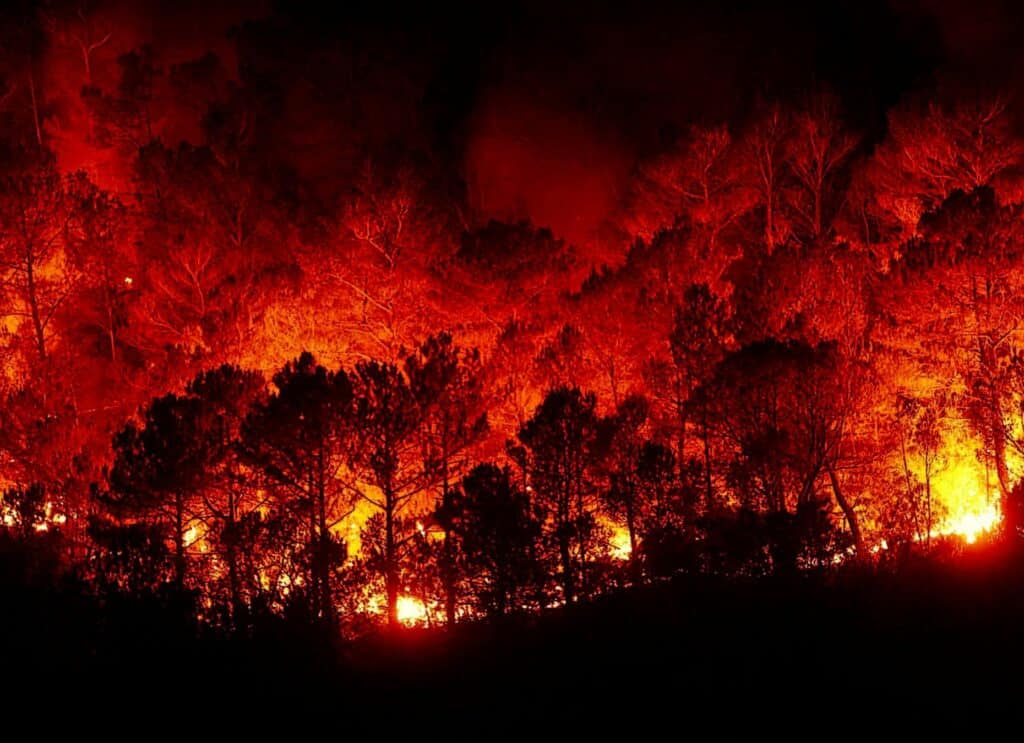
forest fire burning in the trees

How do Forest Fires Start?

Forest fires are powerful and destructive forces of nature, capable of consuming vast areas of land in a short period of time. Understanding how these fires start is crucial for preventing them and protecting our communities and natural habitats. In this blog, we’ll explore the various ways forest fires ignite, from natural causes like lightning to human activities such as campfires and discarded cigarettes. By learning about the origins of forest fires, we can better appreciate the importance of fire safety and take steps to reduce the risk of these devastating events.

Fire Fighter Fighting Fire

How do most forest fires start?

In BC, natural causes are responsible for approximately 60% of wildfires. In most cases, these fires are caused by lightening strikes. Accross Canada, this percentage falls to just under 50%. Because so much of BC is forested and remote, we see a higher ratio of naturally caused fires than in other areas of the country.

The remaining fires are caused by humans. This kind of fire is often started by:

  • Campfires or debris piles burning out of control
  • Campfires being left unattended before they are completely extinguished
  • Discarded, lit cigarettes
  • Arson
  • Sparks from machinery and industrial equipment
  • Fireworks

Lesser known causes of wildfires

While they are less well known, there are a few causes of forest fires that are just as dangerous as their more publicized cousins:

Discarded glass: throwing a glass bottle on the side of the road is not only littering, but creates a fire hazard. The curved glass of the bottle can refract sunlight, concentrating it into a single point – just like a magnifying glass. If the point of light falls on dry grass or other kindling, it can catch, starting a fire.

Volcanos: It’s not a common occurance in Canada – but spreading lava from a volcanic eruption can quickly ignite anything it comes into contact with, starting large forest fires quickly.

Spontaneous combustion: While spontaneous combustion may sound a little ‘out there’ it’s actually surprisingly common. Spontaneous combustion is usually caused by improper storage of substances with low ignition temperatures. Eg hay, straw, peat, etc. When these are stored in large quantities, heat created by bacteria, or by oxidization can build up. Many of these materials are good insulators, so the heat is created faster than it is lost. This can lead to spontaneous combustion that will quickly spread to the rest of the pile. This is a common cause of naturally occuring coal seam fires.

Electrical malfunctions: Faulty or fallen power lines can spark, igniting nearby vegetation.

Firehawks: While not native to Canada, a group of birds collectively known as firehawks cause a lot of wildfires in Australia. The birds pick up burning sticks and drop them in uneffected areas to flush out prey. Fire Fighters fighting a forest fire

How do authorities know the causes of a fire?

By tracing evidence left in a fire’s wake, authorities can often deduce the origin point of a fire. Once they find the origin, they can look for signs of what may have caused it. A ring of stones, for example, might indicate a campfire, or a discarded gasoline tank might point to arson. If the fire originated close to industrial or agricultural buildings or activity, it could mean that ignition happened due to stray sparks from equipment.

The indicators that authorities use to determine the origin point of a fire vary, but here are a few examples:

  • Protection: if the side of fuel (a tree, for example) is less damaged, it was likely sheilded from the fire. The fire likely came from the direction with more damage.
  • Depth of charring: the side of the fuel with the deepest charring, the most scaling, and/or the most soot was facing the oncoming fire.
  • Freezing: leaves and small stems are ‘frozen’ by extreme heat in the direction of the winds that the fire creates.
  • V-shape: forest fires will often spread in a ‘V’ pattern from the origin point. Viewing forest fire damage from above can make spotting the point of the ‘V’ easier.


How fast can forest fires spread?

A forest fire can travel up to 10.8 km/h in most biomes, or up to 22 km/h in grasslands. Many factors effect how quickly a fire will travel including wind strength and direction, how dry the area is, and what is available to burn in a space.

What are the consequences of starting a forest fire?

Irresponsible behaviour that leads to a wildfire is punishable under the wildfire act in BC. Everything from failing to report a wildfire ($383) to using fire against regulations ($1,150) is covered in the legislation. In some situations, individuals may be held accountable for “fire control costs and related amounts” by the government.

If a person intentionally sets a forest fire, it qualifies as arson – an indictable offence. If the arsonist knows that the property they are setting on fire might be occupied, the charge of ‘disregard for human life’ can carry a maximum penalty of life in prison. If one is only damaging property, the maximum penalty is 14 years in prison.


We hope you found this post useful! Leave any burning questions in the comments and check out our other fire-themed posts here.

Article written by Zenia Platten – author and emergency preparedness professional.

RCMSAR at sea

RCMSAR Emergency Supplies Container in East Sooke

The Royal Canadian Marine Search and Rescue’s (RCMSAR) mission has always been to safeguard lives on the water. Operating over 30 marine rescue stations along British Columbia’s coast, from the bustling Vancouver harbour to the remote waters of the North Coast, they stand ready 24/7 to respond to marine emergencies. However, their commitment to safety extends beyond the sea. Recently, Total Prepare had the priviledge of working alongside RCMSAR on their latest initiative aimed at enhancing community safety and emergency preparedness in East Sooke and the surrounding Sooke Basin.

RCMSAR container


“In partnership with BC Hydro, the District of Sooke, and through our own RCMSAR funds, we have successfully acquired, installed, and fully outfitted an emergency supplies container at our headquarters in East Sooke. This container is stocked with essential emergency supplies, including food, water, blankets, first aid kits, and communication aids, ready to support the local area during the critical first hours and days of a disaster.” – RCMSAR press release

The supplies can sustain up to 200 people for three days, featuring freeze-dried food with a 25-year shelf life and gluten-free options, ensuring that dietary needs are met, and everyone is cared for.

The Importance of Preparedness

The District of Sooke encourages all of their citizens to be prepared with “supplies for three to seven days to support your family.” Households that are prepared can significantly reduce the fear, anxiety, and losses that surround disasters. Prepared families are ready to evacuate, survive periods of confinement, make stays in public shelters more comfortable, and take care of basic medical needs. By preparing ahead of time, they reduce the strain on public resources and can even save lives.

But even when a family prepares, unexpected situations can separate individuals from their supplies, or increase the duration of an emergency. Having additional supplies available for the community is a wonderful way to help those without the resources to get prepared or bolster prepared families in need.

RCMSAR recognizes the importance of emergency preparedness at sea, and on land, especially in communities with limited road access and infrastructure like East Sooke. This initiative is not just about stocking shelves; it’s about building a stronger, more resilient community capable of responding swiftly and effectively to crises.

Building Partnerships for Greater Impact

RCMSAR’s efforts in East Sooke are part of a broader strategy to increase their partnerships with provincial and municipal emergency organizations. By working closely with these organizations, both at the RCMSAR level and through their 31 community-based stations, they aim to enhance emergency preparedness across all the communities they serve.

Commitment to Community Safety

“We are proud to play a role in enhancing emergency preparedness and are committed to continuing our efforts to keep our communities safe, both on land and on the water. Whether facing a major disaster or a minor incident, having these resources readily available will make a significant difference for East Sooke and Sooke Basin residents in their time of need.

At RCMSAR, we believe that together, we are stronger and better prepared to face whatever challenges come our way. We extend our deepest gratitude to BC Hydro, the District of Sooke, and all our partners for their support in making this initiative possible.

For more information about our emergency preparedness efforts and how you can get involved, please visit our website or contact us directly. Together, we can build a safer, more resilient community.”

RCMSAR at sea

Metis Nation of Alberta logo (now the Otipemisiwak Metis Government)

Case Study: Otipemisiwak Métis Government FREE Emergency Kit Program

72 Hour Metis Nation of Alberta Kit MNA OMG

Highlighting a collaborative effort between the Otipemisiwak Métis Government and Total Prepare, this article delves into a significant initiative that saw the distribution of 500 Emergency Kits to Citizens of the Otipemisiwak Métis Government within Alberta. This partnership not only delivered essential resources but also fostered education and empowerment within the Métis community.  

In this post, we will explore the intricacies of the project, from its inception to execution, shedding light on the impactful results and drawing insights for those considering similar initiatives. The collective efforts showcased in this program emphasize the significance of proactive preparedness and the strength of partnerships in enhancing community resilience during challenging times. 

The Otipemisiwak Métis Government  

The Otipemisiwak Métis Government of the Métis Nation within Alberta is the oldest continuous Métis government in Canada. It was originally established in 1928, and has been built by Alberta Métis over generations. The Otipemisiwak Métis Government delivers programs and services to Métis Citizens living throughout Alberta through its governance structures and affiliates. 

President Andrea Sandmaier of the Otipemisiwak Metis Government Metis Nation of Alberta logo (now the Otipemisiwak Metis Government)

Figure 1.President Andrea Sandmaier of the Otipemisiwak Metis Government. 

For this project, Total Prepare had the privilege of working alongside the Otipemisiwak Métis Government’s Environment and Climate Change Department. Among their many initiatives, this department hosts a variety of Speaker Spotlights, offering expert presentations to their Citizens on a variety of environmental topics. These presentations are customized to focus on Alberta-specific issues, through a Métis lens. Total Prepare’s very own Isabel Wood was honoured to give one such presentation on emergency preparedness, which will be discussed later.  

The Need 

According to Kimberly Mosicki, the Otipemisiwak Métis Government’s Environment Manager:  

“Our staff started brainstorming ideas of what could be done with [our remaining budget] that would be of most benefit to our Citizens. Over the years, we have heard increasing concerns about wildfires and the wildfire season, and emergencies are getting more and more severe in Alberta.” 
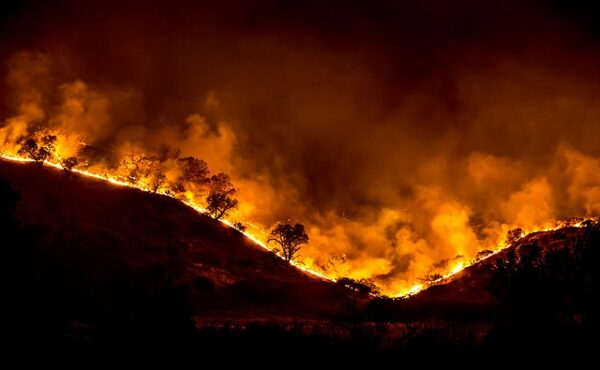
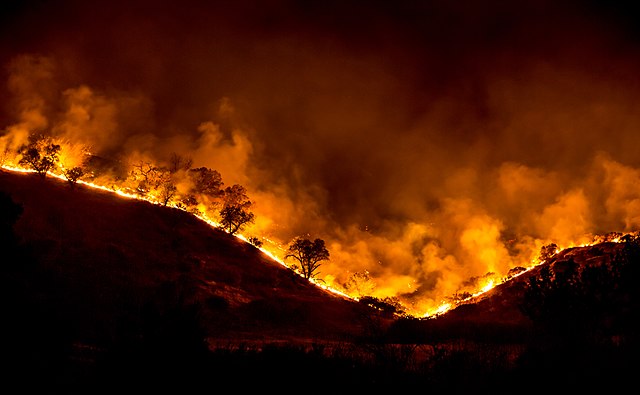
Flaming ridgeline

Knowing that Emergency Kits are a great resource during all kinds of emergencies, including wildfire and evacuation scenarios, the Otipemisiwak Métis Government team decided to embark on an initiative to provide 72-hour Emergency Kits to as many families as they could with their remaining budget, prioritizing households in rural or remote communities.  

“We want to empower them to feel safe in the event of an emergency.” – Kimberly Mosicki during a February 2023 interview with CBC Radio, discussing the Emergency Kit initiative. 

Choosing a Partner 

Kimberly’s team researched possible partners for the project extensively, creating a spreadsheet with a wide variety of vendors. 

“We went through our top three or four choices, prioritizing ones that were local – either to Alberta, or at least Canadian based – and had the kinds of kits that it looked like we would be interested in purchasing.” 

They sent requests to three different companies for a quote on 250 emergency kits. Two of the vendors broadened the conversation, learning more about the project, and providing expertise to help the Otipemisiwak Métis Government curate the best kit possible for their needs.  

Total Prepare offered to participate in the Otipemisiwak Métis Government’s ongoing Speaker Spotlight series, giving a webinar to help educate interested Métis Citizens about emergencies local to Alberta. The presenter, Isabel Wood, worked together with the Otipemisiwak Métis Government to tailor the presentation to their preferences.  

Total Prepare was also able to provide customized documents and free resources, as well as handling final delivery to households. These value-adding services, and the relationship built over the planning of the project, made Total Prepare the final choice for the project vendor. 

A Note on Price 

While Total Prepare was not the cheapest option for the specified 250 emergency kits, their team was able to exercise economies of scale to provide 500 emergency kits, at a price point only slightly higher than the original quote. This made the per-kit price very competitive. Combined with the value-adding services mentioned above, the new price helped to cement Total Prepare’s place as the partner for the initiative. 

Sourcing & Kit Building 

To build the best kit at the best price, Total Prepare sourced several non-stock items from trusted partners. While Lunar New Year celebrations slowed some acquisitions from overseas, delaying assembly, everything arrived complete and in good condition.  

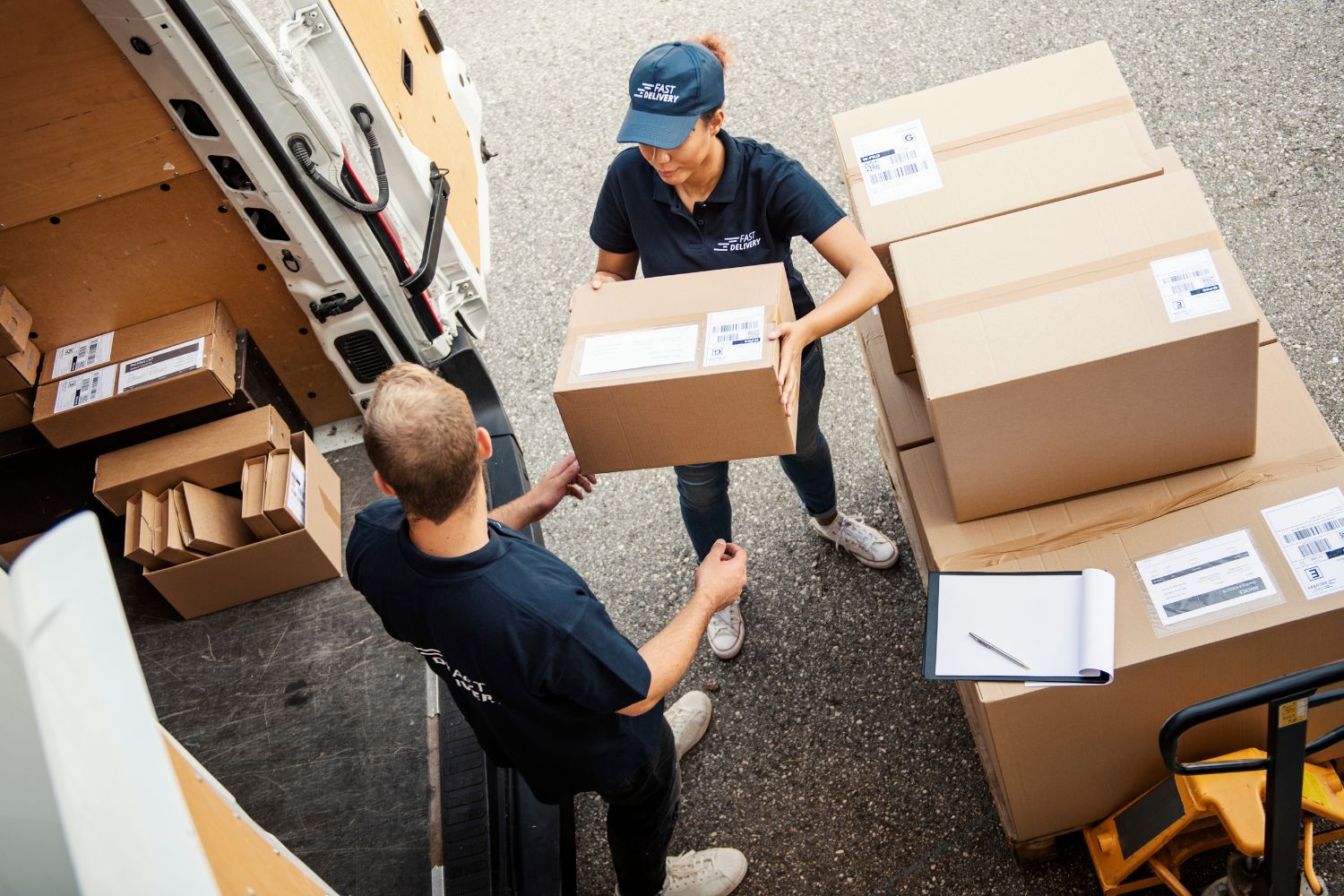
Parcels being delivered

Total Prepare’s warehouse team called in additional resources, utilizing secondary locations, and working non-stop to build all 500 kits as quickly as possible. The goal became to mitigate the sourcing delay as much as possible. The team assembled all kits in half the scheduled time.  

Logistics 

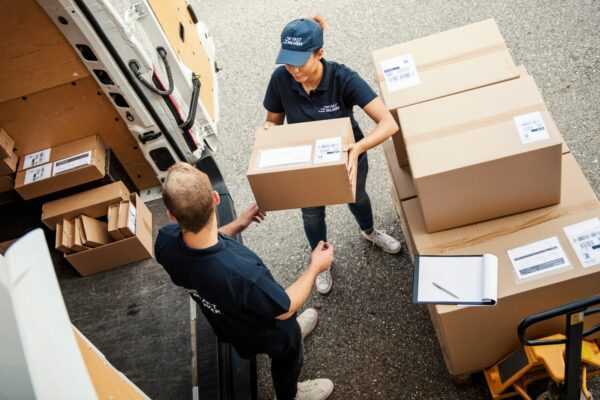
To ensure that the Emergency Kits arrived to those with the greatest need, the Otipemisiwak Métis Government put out a call to their Citizens. They received over 1,600 requests, further reinforcing the need for the initiative. They then prioritized those in rural communities with vulnerabilities such as a lack of access to emergency services, mobility issues, or households with small children – anything that would add more challenges during an evacuation or emergency. 

The Otipemisiwak Métis Government then confirmed the citizenship of each recipient, along with their shipping information. The latter was gathered into a spreadsheet and sent to Total Prepare, who handled distributing the Emergency Kits to their final destinations. To be prudent, Total Prepare planned for up to 5% of orders to encounter courier problems, but issues occurred in less than 1% of shipments.  
Delivery team moving boxes

This process was scalable and error free thanks to new software at Total Prepare. All addresses and customer information could be uploaded directly to the shipping software, eliminating manual errors, and ensuring the couriers received all information exactly as it was entered.  

Of the logistics, Kimberley said: 

“[Ed from Total Prepare] was very responsive. And, honestly, the shipping was fantastic. We gave numbers and names – that was it… and we got to wash our hands of the situation after that, which was very nice because shipping is a lot to organize! It was nice to have a partner who was able to handle that for us.” 

Education 

Providing educational resources for their Citizens was top of mind for the Otipemisiwak Métis Government throughout the project. In addition to the Speakers Spotlight, they were able to provide Total Prepare’s comprehensive emergency guide to their Citizens, along with a Pocket Emergency Plan. 

Every kit that shipped was also packed with a booklet of information, designed, and produced by the Otipemisiwak Métis Government’s Environment and Climate Change Department, with information on all the available resources, and explanations of the less common items in the kit. 

The Result 

All the emergency kits were able to be delivered to their new owners, and the Emergency Preparedness session of the Otipemisiwak Métis Government’s speaker series has been their most-viewed video. The response from the community was overwhelmingly positive as recipients of the kits reached out with comments. Here are just a few: 

Good evening. I received our emergency kit safely and just wanted to say thank you so much to yourself and to the Otipemisiwak Métis Government. We feel so very fortunate to have received this package and will treasure having this kit in our possession. Recently our family had to evacuate not under provincial wildfire people’s order but on our own due to our 7-year-old son having severe allergies to fire smoke. Our friends in town had to be evacuated in Valleyview, Alberta and they are the ones that received the package for us. Due to your generosity, we received ample provisions, and we were able to share one of the backpacks with their family as well so you guys provided for two families thank you so much, and may the blessings be bestowed on you as well.” – Otipemisiwak Métis Government Citizen 

Review stars in arch

I picked up my … very full and heavy… box with two unbelievably amazing kits this afternoon from our local hardware store. I was so happy and relieved to get these!!! Once getting home and looking at them I am floored at the careful planning and expense put into these. I honestly felt overwhelmed by getting such an amazing gift. You are bringing so much peace of mind to me and my family. I just really wanted to thank you for doing this and all the work you put into it. I am beyond grateful that we were selected and want you know how having these supplies has made me feel so much better. Thank you for everything. Thank you, thank you, thank you!” – Otipemisiwak Métis Government Citizen  

I just wanted to say thank you to the Otipemisiwak Métis Government for the Emergency Preparedness kits that I was fortunate to have received. These kits are really incredible and have everything our family would need in case of emergency evacuation or situation. I am extremely grateful and hope that you can pass on my thanks to the appropriate persons!!” – Otipemisiwak Métis Government Citizen 

Kimberly confirmed that she would do a similar project again if given the opportunity. When asked what advice she would give others embarking on a similar program, she recommended targeting March and April for delivery to avoid kits arriving during flooding or fire seasons.  

A Comparison 

Total Prepare had the unique experience of seeing how our services added value when a second organization reached out to our team. We’ll call them Org B. Org B heard of the Otipemisiwak Métis Government’s wonderful initiative and wanted to do a similar project, but they opted to go with another vendor.  

To keep the project as economical as possible, Org B opted to handle the shipping themselves, having all kits sent to a central location for distribution. After months of delays, the kits were received at the home of an employee. Distribution costs quickly climbed out of control and Org B was left scrambling for additional funding, as they were a grant-reliant organization. 

Seeing that the need for more emergency kits still existed after the first distribution, Org B reached out to Total Prepare. At the time of writing, it seems likely that Total Prepare will handle distribution and provide similar customized educational resources to Org B that were provided for Otipemisiwak Métis Government.  

Conclusion 

The collaboration between Total Prepare and the Otipemisiwak Métis Government stands as a testament to the power of collective action in addressing community needs, especially in emergency preparedness. The successful distribution of 500 Emergency Kits and tailored educational resources underscored a commitment to enhancing safety within the Métis community. This initiative highlighted the profound impact of strategic partnerships. The close collaboration between Total Prepare and the Otipemisiwak Métis Government, clear through detailed planning, streamlined planning, and shared dedication to education, yielded tangible benefits that resonated deeply with the Otipemisiwak Métis Government’s Citizens. The heartfelt responses from kit recipients reflected the immeasurable value of such initiatives in fostering a sense of security and preparedness amidst uncertainty.  
A lapel with an "I voted" sticker on it.

An Enduring Democracy: A Look into Emergency Preparedness at Elections BC

Behind the scenes of British Columbia’s electoral process lies a carefully crafted emergency plan designed to address unforeseen challenges. In an exclusive interview, we explore the pragmatic approach of Elections BC towards emergency preparedness. Through insights from Elections BC’s communications team, we uncover the strategies, adaptations, and practical measures that underpin the organization’s commitment to ensuring the integrity of the democratic process. 

 “Our emergency plan is based on ensuring business continuity,” their team explains. At its core, Elections BC prioritizes accessibility to the voting process, safeguarding the constitutional right of every citizen. Despite emergencies, the organization remains steadfast in its commitment to facilitating a seamless voting experience for as long as the safety of its staff can be maintained. 

Elections BC logo

Planning for Fluctuating Circumstances 

With almost 20,000 temporary staff members and numerous temporary locations, Elections BC navigates a landscape of fluctuating dynamics every election. “Our processes and procedures are designed carefully to ensure they meet the requirements of the Election Act,” they wrote.Our reference materials and escalation processes recognize that many of our key frontline staff only have a few days or weeks on the job. This is vital to ensure British Columbians receive a high level of service when they go to vote.” 

Preparing Diverse Voting Locations 

From bustling urban centers to remote corners of British Columbia, Elections BC prepares over a thousand voting places, encompassing schools, places of worship, and community centers. These locations are typically well known by the community and accessible to voters, removing barriers that might otherwise discourage voters. 

A sign for a polling station

Mitigating Risks on Multiple Fronts 

Elections BC’s meticulous event planning covers a wide variety of risks, including weather-related disruptions, public health emergencies, staffing issues, physical security threats, and cybersecurity risks. Each risk is meticulously cataloged in a risk register: “The risk register rates the impact if the risk were to occur, the actions we will take to mitigate the risk, and the actions we will take if the risk occurs.”  

Best Practice Spotlight: Elections BC’s risk register is an excellent example of a well thought out emergency plan. This documentation is a great way to lower the burden and risk of emergencies in any organization. Well distributed and detailed plans provide direction and allow coordination between teams, even when communication might not be easily accessible.

Navigating Weather-Related Challenges 

In the face of extreme weather events, Elections BC remains agile, ready to adapt voting processes to ensure voter safety. From relocating voting places to offering alternative voting methods, such as Assisted Telephone Voting, Elections BC is prepared to do what it takes to keep voting accessible and safe, whatever the weather. 

Cars driving a flooded highway.
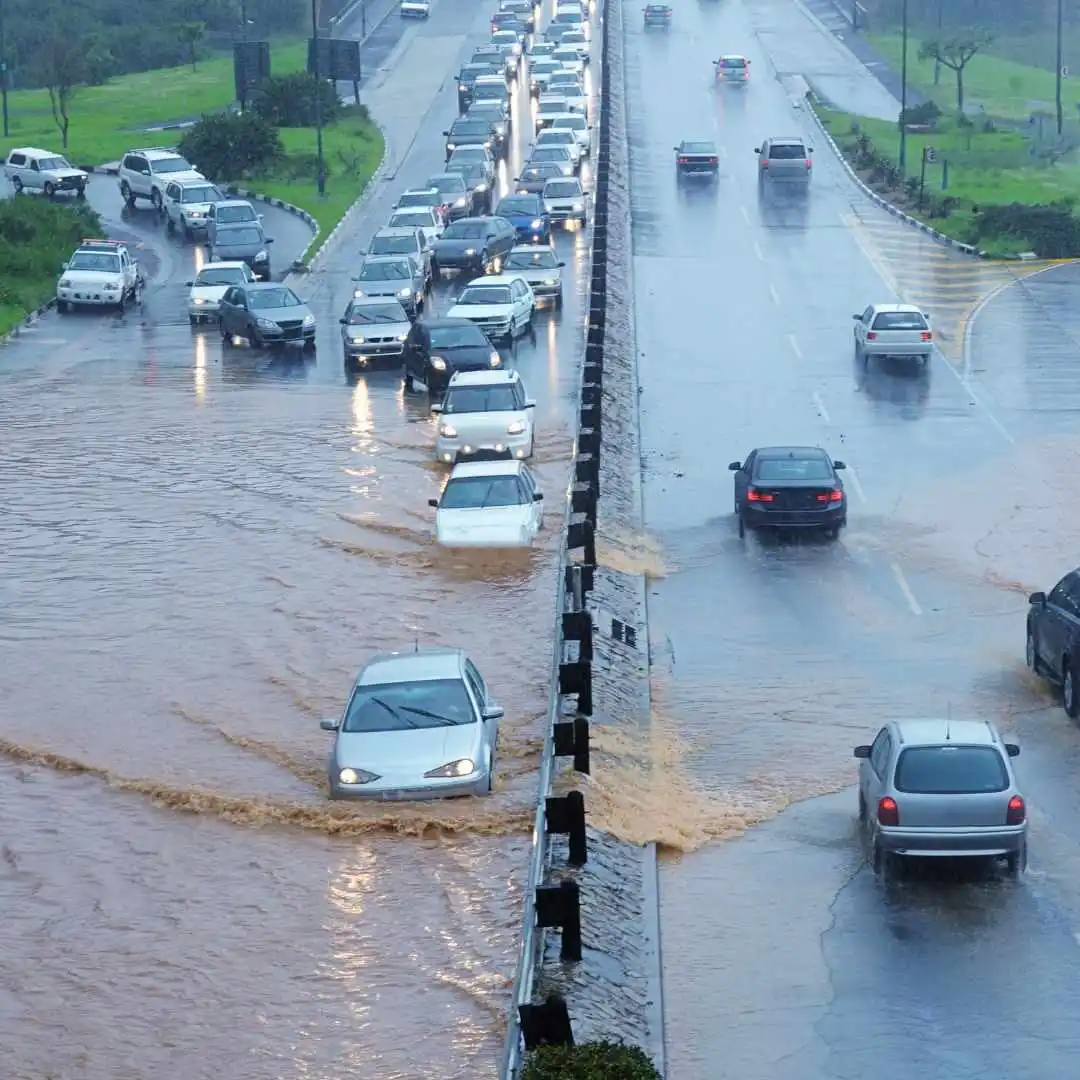
Responding to Major Disasters 

The Chief Electoral Officer of British Columbia holds the authority to issue orders in response to emergencies, including the potential postponement of deadlines established by the Election Act. While it has never been necessary to postpone legislated deadlines because of a major emergency, such measures ensure the continuity of democratic processes even in the wake of serious disasters.  

Prioritizing Public Health 

During recent public health emergencies, Elections BC implemented rigorous medical protocols at polling stations, including the provision of PPE, sanitation supplies, plexiglass barriers, and physical distancing measures. They also have communicable disease prevention plans in place to ensure the safety and wellbeing of voters and staff alike. 

Addressing Cybersecurity Concerns 

With a robust cybersecurity program in place, Elections BC collaborates closely with the Office of the Chief Information Officer of British Columbia to fortify electoral systems against cyber threats. Systems and processes are tested for cyber security vulnerabilities before being deployed in an election. Ballot tabulators are used to count paper ballots and are never connected to the internet. Paper ballots are retained in case of a recount. This ensures the integrity of the voting process while providing a fail-safe against potential cyber intrusions. 

The image of a lock superimposed over a laptop.

Lessons from Experience 

Elections BC’s resilience was tested during the 2020 provincial election amidst the COVID-19 pandemic. Every election takes years of planning and coordination to conduct and having to adapt 20,000 temporary staff and locations across the province presented a monumental challenge. Elections BC rose to the occasion, rapidly deploying comprehensive safety measures, training, and a concerted public awareness campaign to ensure the successful execution of the electoral process amid unprecedented circumstances. 

The Role of Total Prepare 

Elections BC tracks the contents, locations, and expiry dates of their earthquake kits to ensure the contents remain fresh and relevant. Recently, Total Prepare was chosen to help resupply some of the emergency kits where supplies were ready for replenishment. When asked about the experience, Elections BC’s team said: 

“We had a positive experience working with Total Prepare. We provided them with all our headquarters emergency supplies and they were able to replenish the expired supplies and return them to us quickly. They also provided guidance for us in how we could update our inventories to keep pace with current emergency preparedness best practices… 

… We live and work in an earthquake zone and it is important that our staff have access to what they might need if an emergency occurs at work. We also encourage our staff to consider personal emergency preparedness at home. Total Prepare provided our staff with earthquake kits at a discount in the event they wished to purchase them for personal use.” 

Best Practice Spotlight: In a large organization with a lot of moving parts, it is extra important to keep your emergency supplies well organized and documented. Check them annually to ensure they are where they will be most useful, not nearing expiry, and that there is enough to account for any increases in staffing.

Looking Ahead 

As the provincial general election on October 19, 2024, approaches, Elections BC continues its commitment to upholding democracy with diligence. Through proactive planning, adaptability, and steadfast dedication, the organization stands as a testament to the strength of democratic institutions. 

To learn more about the upcoming provincial general election, visit elections.bc.ca and join us in shaping the future of democracy in British Columbia. 

A lapel with an "I voted" sticker on it.